Want to receive Best Practice Bulletin directly to your inbox?
Sign up here.
Published: 20th November, 2026
Contents
New from bpacnz: Motivational Interviewing in clinical practice

Motivational Interviewing is an evidence-based method that can be used to build and strengthen a person’s self-motivation to change, including changing longstanding behaviours that may be detrimental to their health. Motivation is elicited by encouraging the person to consider the benefits of change, as well as the potential outcomes if they continue as they are, while allowing them to voice both their desire for, and concerns about, making the change. The skills used in this process are already familiar for most healthcare professionals, e.g. open-ended questions, active listening, however successfully applying them in the context of Motivational Interviewing is an art as much as a science, and practice is required to do so consistently. Developing skills in Motivational Interviewing is valuable for all healthcare professionals, particularly those who frequently support patients who are ambivalent to, or hesitant about, change.
Read the full article here
In case you missed it – Continuous glucose monitors in primary care: Transforming diabetes self-management
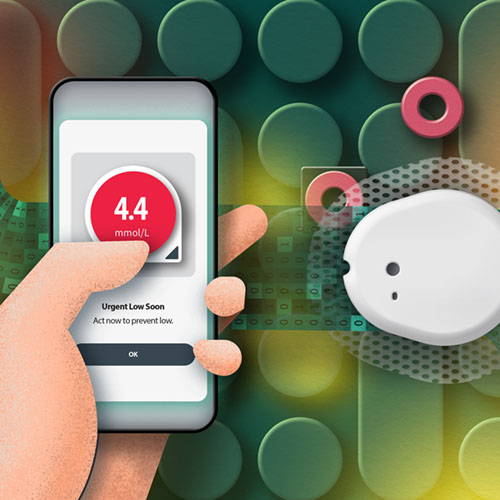
The funding of continuous glucose monitors (CGMs) for some groups represents a significant advancement in diabetes self-monitoring in the community. By providing real-time glucose data, CGMs can help people living with diabetes optimise insulin dosing, reduce episodes of hypoglycaemia and improve their understanding of factors affecting glycaemic control. CGMs are a cornerstone of type 1 diabetes management and emerging evidence suggests they may also benefit people living with type 2 diabetes regardless of insulin requirements (although not funded for this group).
We look at the different models of CGMs available in New Zealand, compare features and discuss how they are used, how to interpret data and who may benefit.
Read the full article here. A B-QuiCK summary is also available.
 Rewind: Wrap-up of recent key messages
Key dates and updates on news items from recent editions of Best Practice Bulletin:
- As of November, 2026, antiretroviral medicines for HIV no longer require Special Authority approval and emtricitabine with tenofovir disoproxil and dolutegravir are funded on PSO if endorsed for HIV post-exposure prophylaxis (as reported in Bulletin 160). A technical issue is affecting the funding of these two medicines as the system cannot distinguish between PSO claims (requires endorsement) and individual prescriptions (funded without restriction). Pharmacists are advised to annotate and process all prescriptions for these medicines that were dispensed from 1st November as endorsed until 1st December, when this issue is expected to be resolved.
- Stock of venlafaxine 75 mg capsules and Proctosedyl and Ultraproct suppositories has arrived in the country following a period of limited supply (as last reported in Bulletins 155 and 158) and will be distributed over the next couple of weeks
- Supply issues affecting methylphenidate have been ongoing for some time. All brands and strengths are now available and Pharmac is not currently anticipating any future supply issues with these medicines. Information on the pharmacological management of ADHD, is available here.
- The supply issue affecting lansoprazole now affects both the 15 mg and 30 mg strengths. Previously, only the 30 mg strength was limited (as reported in Bulletin 150); stock of the alternative brand listed in June is now also low. An alternative brand of the 15 mg strength and a second alternative of the 30 mg strength will be listed on 1st December (both Section 29).
- The funded brand of rizatriptan 10 mg tablets has changed from Rizamelt to Rizatriptan Viatris, following ongoing supply issues affecting Rizamelt (as reported in Bulletin 150)
- The supply issue affecting benzathine benzylpenicillin (Bicillin LA) is ongoing. Re-supply has been delayed until April, 2027 (previously expected November, 2026; as reported in Bulletin 150). Patients will need to switch to the alternative brand, Benzetacil. Note this brand comes in the form of a dry powder for reconstitution, rather than a pre-filled syringe. When reconstituted, the volume is larger than Bicillin LA (4.8 mL compared to 2.3 mL); the dose may need to be split and administered as two separate injections for children weighing < 50 kg. For the latest updates, see Health New Zealand and Pharmac.

Medicine news
The following news relating to medicine supply has recently been announced. These items are selected based on their relevance to primary care and where issues for patients are anticipated, e.g. no alternative medicine available or changing to the alternative presents issues. Information about medicine supply is available in the New Zealand Formulary at the top of the individual monograph for any affected medicine and summarised here.
Upcoming methenamine hippurate brand change
The funded brand of methenamine hippurate 1 g tablets, used for the prophylaxis of chronic or recurrent lower urinary tract infections, is changing from Hiprex to U-Tract. U-Tract will be listed on the Pharmaceutical Schedule on 1st December, 2026, however stock may not be available until mid-December. Hiprex will be delisted on 1st May, 2027.
Advise patients that they will be transitioned to the new brand between December, 2026, and May, 2027, and reassure them that there has been no change to the active ingredient.
A patient information sheet about the brand change is available here
Pharmac consultations: Proposals to fund prasugrel + new brand of lithium + sexual health products
Proposal to fund prasugrel
Pharmac is seeking feedback on a proposal to fund prasugrel 5 mg and 10 mg tablets with Special Authority approval from 1st February, 2027. Prasugrel is a P2Y12 antagonist, like ticagrelor and clopidogrel, that is used in combination with aspirin for the prevention of atherothrombotic events. Prasugrel may be a more suitable antiplatelet than ticagrelor for some people, as there is some evidence that it may provide greater protection against serious cardiovascular events without increasing major bleeding risk, and it is taken once rather than twice daily. Prasugrel was previously funded in New Zealand between 2012 and 2021.
View proposed Special Authority criteria here. Consultation closes Wednesday, 25th November. This link contains an online form to complete.
Proposal to change the funded brand of lithium carbonate 250 mg
The currently funded brand of lithium carbonate 250 mg capsules (Douglas) is being discontinued by the supplier. Pharmac has issued a consultation to fund a new brand, Lithium Carbonate Essential Pharma tablets from 1st February, 2027, to ensure patients have ongoing access to a 250 mg strength. In particular, feedback is being sought on the types of support that would be needed for patients to switch brands, e.g. patient and prescriber communications, consumer information leaflets, education for healthcare professionals.
Consultation closes Thursday, 3rd December. This link contains an online form to complete.
Proposal to fund internal condoms and water-based lubricants
In a separate consultation, Pharmac is seeking feedback on a proposal to fund internal condoms without restriction and water-based lubricants by endorsement when prescribed with any funded condoms from 1st April, 2027. Up to 50 internal condoms (five packs) and 60 water-based lubricant sachets would also be available on Practitioners Supply Order.
Consultation closes today, Friday, 20th November. This link contains an online form to complete.
Pharmaceutical Schedule change for poliomyelitis and hepatitis B vaccines
Pharmac has announced that from 1st December, 2026, the Xpharm restriction will be removed from poliomyelitis (IPOL) and hepatitis B vaccines (Engerix B; paediatric and adult). Pharmacies cannot claim funding for a particular product that has an Xpharm restriction applied to the Pharmaceutical Schedule. Removing the restriction will enable pharmacies and other providers, e.g. Plunket, to claim reimbursement for these vaccinations and therefore offer funded vaccination to patients in the community. This decision is intended to reduce barriers to access for people who need IPOL or Engerix B vaccines.
Xpharm restrictions were removed from childhood vaccines in 2024 (as reported in Bulletin 95), but were retained for some vaccines with low usage, e.g. poliomyelitis and hepatitis B, due to the potential for wastage if stock was held by many pharmacies. Health New Zealand has since identified a need for these vaccinations to be available without restriction to a small number of pharmacies and Plunket providers.
IMAC updates: Tetanus-prone wounds, shingles and meningococcal vaccinations
In a recent email to the sector, the Immunisation Advisory Centre (IMAC) has provided several immunisation-related updates, including:
 Revised guidance on the management of tetanus-prone wounds
IMAC publishes factsheets on a range of topics relating to vaccination. New factsheets are added, and existing ones are updated over time. IMAC has recently updated its guidance on the management of tetanus-prone wounds. The new sheet is intended to be simpler to use and lead to improved primary course completion in people with an incomplete vaccination status.
Read the updated factsheet here
 Shingles vaccination requires reconstitution
Vaccinators are reminded to reconstitute the Shingrix vaccine prior to administration, as it comes in the form of a dry powder rather than a pre-filled syringe. View reconstitution and administration instructions here.
 Don’t forget about offering meningococcal vaccinations
A reminder to offer funded meningococcal vaccination to young people who are going to be entering into their first year of a specified close-living situation, e.g. boarding schools, university hostel/halls of residence. Meningococcal vaccinations can be administered up to three months before moving in, so consider offering this now for students entering boarding school or university in early 2027. View eligibility and recommendations for Bexsero and MenQuadfi.
Changes to the ACC Pain Management Service referrals
ACC has announced an upcoming change to referral pathways for Pain Management Services. Two levels of pain management support are available: Community Services, for people with persistent pain that is not resolving as expected (including those with Complex Regional Pain Syndrome – confirmed or suspected); and Tertiary Services, for people with more clinically complex or intensive needs.
From 1st December, 2026, referrals to Community Pain Management Services will only be made by ACC. This means that clinicians will need to send a recommendation for this service to ACC, rather than referring patients directly to a community provider. Referrals to Tertiary Pain Management Services can still be made directly, however, it is recommended that all requests for Pain Management Services are sent to ACC to ensure patients access the most appropriate service.
Pain management support recommendations can be sent to the patient’s ACC recovery team or claims@acc.co.nz. Include a description of the patient’s situation and the reasons why you are recommending ACC-funded Pain Management Services; clinicians do not have to specify which service level is appropriate as this will be determined by ACC.
Upcoming webinar: Fitness to drive and osteoporosis in older people
In its final webinar for the year, the Goodfellow Unit is hosting a Health New Zealand Te Tiri Whakāro: Sharing Knowledge webinar on two topics relevant to older people. General Practitioner Dr Anna Skinner will cover fitness to drive: cognitive screening, and Clinical Advisor for the Fracture Liaison Service Dr Richard Macharg will cover osteoporosis: from fracture risk to zoledronate. Dr Sue Tutty will provide general updates at the end of the session. The webinar will be held on Tuesday, 24th November, from 7:30 pm. Click here to register.
View previous webinars that were held throughout 2026 and those planned for early next year here
Acknowledging World COPD Day
Chronic obstructive pulmonary disease (COPD) is estimated to affect more than 60,000 adults in New Zealand, with Māori and Pacific peoples experiencing a higher burden of disease. World COPD Day 2026 was recently marked on Wednesday, 18th November. The theme for this year was “Early Diagnosis and Management for a Better Life”.
Smoking remains a strong risk factor for developing COPD, but a diagnosis of COPD should be considered in any patient aged over 40 years with relevant symptoms, as a history of smoking is not always present. The progressive nature of COPD and significant impact on quality of life necessitates early optimisation of management and regular follow-up to identify clinical deterioration.
Earlier this year, the bpacnz COPD resources underwent a full revision to align with the New Zealand COPD Guidelines: 2025 Update. Read the article here. A B-QuiCK summary is also available.
Coming soon: The bpacnz COPD prescribing tools are being re-developed to align with the New Zealand COPD guidelines
 Food for Thought: The power of choice
Shared decision-making is a cornerstone of modern medical practice. Sometimes there is only one treatment available, or appropriate, to manage a patient’s condition, in which case, that is the path that is taken. But in other cases, choice arises when there are multiple options that could potentially achieve the desired outcome. The question is – what do you do in this scenario? Do you offer what you consider to be the best option or do you lay out all the choices and stand back while the patient makes their selection?
A recent article in RMD Open (a BMJ Journal) reported the findings from the Better After CHoosing in rheumatoid arthritis (BACH) trial that investigated the impact of patient participation in rheumatoid arthritis treatment decision-making. Patients who chose their treatment regimen reported significantly higher treatment satisfaction, were less likely to switch medicines following insufficient treatment response and reported lower rates of adverse effects and less concurrent corticosteroid use than those who were randomly allocated to a treatment regimen. These findings highlight the clinical benefits of engaging patients in shared decision-making beyond improved patient experience.
Points for discussion
Patients were invited to participate in the BACH trial in a “neutral manner”, to avoid perceived clinician preference influencing decision-making.
Do you routinely consider your personal preference as a potential source of bias? How do you ensure you discuss the risks and benefits of treatment options in a neutral way?
Ensuring that patients have sufficient information to make an informed decision underpins shared decision-making. Participants who were allocated to choose their treatment regimen were shown an informational video outlining the differences between the treatment options and given a patient information form.
Do you regularly provide or direct patients to resources that support informed decision-making, e.g. patient decision aids?
Multiple factors can potentially influence patient decision-making, e.g. family/caregiver influence, public health advice, route of administration of the medicine, age and health co-morbidities.
In your experience, what factors most often influence patient decision-making?
Have you noticed any trends in factors that influence decision-making relating to specific medicines or within certain patient groups?
Patient preconceptions and expectations can be barriers to shared decision-making. Multiple patients declined to participate in the BACH trial because they had already decided on their preferred treatment and did not want to risk being randomised to another option; one patient who was randomly allocated to a treatment regimen refused to adhere for this reason, requesting the other option. A small number also declined to participate because they insisted their clinician should make the choice.
Do you often encounter patients who come into a consultation having already “made up their mind” about their diagnosis and/or treatment? How do you approach these situations?
What strategies do you find most useful for engaging patients who are hesitant to accept the responsibility of decision-making?
Patients who choose their treatment regimen are likely to be more motivated to adhere, which can improve effectiveness. Feeling in control of treatment decisions may also enhance subjective health, further contributing to treatment satisfaction.
In your experience, how does patient participation in treatment decision-making influence outcomes? Have you noticed particular benefit in any patient groups?
The authors suggest that: “when two equivalent treatment options are present, the patient should choose”. In practice, there may be relatively few situations in which multiple comparable treatment options are available, and in some cases, supply and/or funding restrictions can be a limitation.
In which clinical situations would you consider it appropriate to let a patient choose their treatment regimen? Are there any situations in which you would consider it inappropriate?
Reimann FL, Veeger NJ, Willemze A, et al. Better After CHoosing in rheumatoid arthritis (the BACH trial): Patients who have the opportunity to choose their treatment are more satisfied. RMD Open 2026;12. doi:10.1136/rmdopen-2026-007406.
 This Bulletin is supported by the South Link Education Trust
If you have any information you would like us to add to our next bulletin, please email:
editor@bpac.org.nz
© This resource is the subject of copyright which is owned by bpacnz. You may access it, but you may not reproduce it or any part of it except in the limited situations described in the terms of use on our website.