Published: 6th November, 2026
Key practice points
- Monitoring glucose levels is a fundamental component of diabetes management, particularly for people treated with insulin
- Traditionally, glucose self-monitoring involved multiple finger-prick tests throughout the day using a hand-held blood glucose meter, but this method has several limitations. Continuous glucose monitors (CGMs) are increasingly becoming the preferred method for self-monitoring diabetes.
- CGMs automatically detect and report glucose levels in the interstitial fluid at regular intervals through a subcutaneous sensor, largely replacing the need for routine finger-prick testing. Finger-prick testing is, however, still indicated in some situations, e.g. rapidly changing glucose levels, suspected hypoglycaemia, when symptoms do not match CGM readings.
- CGMs provide more useful data to inform diabetes self-management, including current glucose levels, trends and the rate at which glucose levels are changing
- CGM use can improve HbA1c levels, reduce the frequency of hypoglycaemic episodes, improve treatment satisfaction and quality of life. It can also help people living with diabetes understand how specific factors affect their glucose levels, e.g. diet, physical activity.
- Evidence of benefit of CGMs is strongest in people living with type 1 diabetes, however, there is increasing evidence supporting the use of CGMs for people living with type 2 diabetes, irrespective of whether they are using insulin
- Several CGM models are funded in New Zealand with Special Authority approval for people diagnosed with type 1 diabetes, pancreatogenic and genetic forms of diabetes. Approvals are valid without further renewal. CGMs are not currently funded for people diagnosed with type 2 diabetes or gestational diabetes, including those taking insulin.
- Some CGMs can be integrated with an insulin pump to create an automated insulin delivery system; this is regarded as the standard of care for people living with type 1 diabetes
- The choice of CGM should be individualised, based on device features that are most important to the patient, e.g. wear time, alerts. Cost will also be a factor for patients self-funding CGMs. Some patients may need to trial different models before finding the option that best suits their needs.
- Primary healthcare professionals, including community pharmacists, have a role in providing education to patients using CGMs. In general, education should cover application tips, the importance of customising alarms, an overview of how to interpret CGM data, airport security information and what to do if the device is faulty.
Blood glucose monitoring is a fundamental component of diabetes self-management, particularly for people using insulin.1, 2 Traditionally, this process involved multiple finger-prick tests throughout the day using blood glucose test strips and a handheld blood glucose meter; however, this method has several limitations.3 Frequent finger-prick testing can be a burden, making adherence to regular blood glucose monitoring challenging for some people. It also provides an isolated point-in-time glucose reading making it difficult to identify patterns.3, 4
The introduction and increasing use of continuous glucose monitors (CGMs), both overseas and in New Zealand, has transformed diabetes self-management and motivated people to become more involved in their healthcare.2 A CGM automatically detects and reports glucose levels in the interstitial fluid at regular intervals through a subcutaneous sensor, largely replacing the need for routine finger-prick testing. CGMs measure glucose levels every one to five minutes, providing a detailed glucose profile that can help to optimise insulin treatment and identify patterns of hypo- and hyperglycaemia. In addition to being more convenient and less invasive than traditional blood glucose monitoring, CGMs provide patients and healthcare professionals with more useful data to inform diabetes self-management, including their current glucose levels and the rate at which these are changing.4
Several international guidelines, including those from the American Diabetes Association, International Society for Pediatric and Adolescent Diabetes and the National Institute for Health and Care Excellence (NICE) recommend the use of CGMs, particularly in people treated with insulin.2, 5–7 The evidence of benefit is strongest in people living with type 1 diabetes, however, there is increasing evidence supporting the use of CGMs for people living with type 2 diabetes, irrespective of whether they are using insulin.2, 6
Since October, 2024, CGMs have been funded in New Zealand with Special Authority approval for people diagnosed with type 1 diabetes, pancreatogenic and genetic forms of diabetes (Table 1). They are not currently funded for other types of diabetes, e.g. type 2 diabetes, gestational diabetes. Pharmaceutical dispensing data indicate a substantial rise in CGM use in New Zealand since they were first funded; almost 17,000 people were dispensed a CGM in 2024, increasing to ~30,000 people in 2025.8 N.B. Some people may have trialled multiple CGM models within a year and may therefore have been counted more than once.
Behind the scenes: Understanding the technology of CGMs
A CGM is composed of a sensor, transmitter and receiver. A disposable applicator is used to apply the sensor to the skin. When the applicator is pressed to the skin, it inserts a filament-like sensor in the subcutaneous layer, which measures glucose levels in the interstitial fluid.2, 3 The sensors available in New Zealand contain an enzyme, most commonly glucose oxidase, which reacts with glucose in the interstitial fluid and generates an electrical signal that is proportional to the glucose concentration.1 The level of glucose in interstitial fluid is very similar to the level in blood, but may lag behind blood glucose by approximately five minutes when levels change rapidly.3, 9 Finger-prick testing is therefore still indicated in certain circumstances, e.g. when glucose levels rise or fall rapidly, when hypoglycaemia is detected by the sensor or when symptoms do not match sensor readings.3, 10
The electrical signal generated by the sensor is processed into a glucose reading and transmitted via Bluetooth to a receiver device.1 Most people use their smartphone as the receiver, but standalone receiver devices are available from some suppliers. CGMs that integrate with insulin pumps can display glucose readings on the pump screen also. Almost all modern CGMs function as real-time devices, where they automatically and continuously transmit data to the receiver without requiring a manual “swipe” of the sensor which was the case with some older CGM systems.3, 4
The receiver displays the current glucose reading, past readings and trends, e.g. time in, above and below range (see: “CGM data at a glance”). CGMs also have alarm features which alert users to certain scenarios, including hypoglycaemia; this can help reduce anxiety about glucose levels, particularly at night. CGM data can usually be shared with family/whānau, carers and healthcare professionals, facilitating remote glucose monitoring. This can be particularly beneficial for some people, e.g. young children, older adults living alone.
CGMs are now considered a fundamental component of diabetes self-management for people living with type 1 diabetes and should ideally be introduced from diagnosis.2, 6 Numerous studies have shown that CGM use can reduce HbA1c levels and the frequency of hypoglycaemic episodes, and increase time spent in the target glucose range.2, 6 CGMs can also improve treatment satisfaction and quality of life, and reduce diabetes distress.2, 6 Being able to visualise the immediate glycaemic effect of dietary choices, physical activity, stress, sleep and illness can help people living with type 1 diabetes to better understand factors affecting glycaemic control, supporting more informed self-management decisions and lifestyle changes.11, 12
CGMs are generally accepted by the majority of people living with diabetes, however, certain factors can limit uptake and ongoing use, such as a lack of dexterity to apply the sensor, discomfort, perceived image of wearing the device (i.e. body image concerns, stigma) and the ability to use and trust technology.12, 13 For some people, continuous access to data can also be a source of anxiety.13
Pairing with an insulin pump
Some CGMs (interoperable CGMs) can be wirelessly paired with an insulin pump and insulin dosing algorithm to form an automated insulin delivery (AID) or closed-loop system; this is now considered the standard of care for many people living with type 1 diabetes, as it replaces the need for multiple daily insulin injections.2 The CGM detects glucose levels and transmits data to the insulin pump; the dosing algorithm (software either on the insulin pump or a smartphone app) interprets the glucose readings and adjusts insulin delivery from the pump accordingly.1, 10 Two insulin pumps are currently funded with Special Authority approval in New Zealand: Tandem t:slim X2 (with Control-IQ+ algorithm) and mylife YpsoPump (with CamAPS FX algorithm). All funded interoperable CGMs work with either of the funded insulin pumps.
Patients are generally initiated on an insulin pump within a secondary care multidisciplinary diabetes service, as it is a resource-intensive process that requires specialised expertise and patient education. Specialist involvement is not a requirement for funded treatment, however, insulin pumps are not expected to be initiated in primary care.
The role of CGMs for people living with type 2 diabetes is emerging.14 Improvements across a range of glycaemic parameters have been reported with CGM use in people living with type 2 diabetes taking insulin, including HbA1c, time in range and time above range.2, 15 Greater treatment satisfaction and reduced diabetes distress have also been reported.2, 15 The evidence base for CGMs in people living with type 2 diabetes not taking insulin is still evolving, but studies generally demonstrate benefits in glycaemic outcomes and patient experience.2, 16, 17 CGMs can be particularly useful as an educational tool for people living with type 2 diabetes, helping them to understand how certain factors, e.g. food choices, affect glucose levels. This information can motivate positive behavioural changes.1, 2 While continuous CGM use is preferable, intermittent use can also be beneficial.2 For example, a patient living with type 2 diabetes may choose to self-fund a single CGM sensor when they are first diagnosed to understand how factors affect their glucose levels. This would provide them with 10 – 15 days of data to help inform lifestyle changes and ongoing self-management.
CGM recommendations for type 2 diabetes management
New Zealand guidance on the use of CGMs for type 2 diabetes is limited. The New Zealand Society for the Study of Diabetes advises that the finger-prick method or a CGM can be used for glucose self-monitoring.18 The guidance notes that CGMs may be particularly beneficial when finger-prick blood glucose monitoring does not provide sufficient information, and should be considered when inadequate blood glucose monitoring affects patient safety or delays treatment decisions.18
The 2026 Standards of Care guidance from the American Diabetes Association recommends CGMs for all people living with diabetes who need insulin or who take non-insulin glucose-lowering medicines that can cause hypoglycaemia (e.g. sulfonylureas).2 A CGM is also recommended for people who take any glucose-lowering treatment where a CGM would improve management.2 This could include those who are newly diagnosed with type 2 diabetes, have not achieved glycaemic targets, are unable to check blood glucose levels (e.g. physical and/or cognitive impairment, children) or who have another clinical need for monitoring (e.g. during pregnancy, people at risk of hypoglycaemia, such as during an illness).3, 5, 19
As CGMs are not funded for people diagnosed with type 2 diabetes, cost is a major barrier to access in New Zealand. However, the option of self-funding treatment should still be discussed so patients can consider it depending on their individual circumstances. For some patients, intermittent CGM use may be an affordable alternative to continuous use, e.g. used on occasion to understand factors affecting glucose levels, or to assess effectiveness of lifestyle changes or treatment. The cost of a CGM varies between models (Table 3) and pharmacies. Some suppliers offer free trials, and some PHOs fund CGMs for select patients diagnosed with type 2 diabetes. Use of a disability allowance may also be an option (see: “Supporting patients to access CGMs via the disability allowance”).
Pharmac currently funds five CGM models via Special Authority for people diagnosed with type 1 diabetes, pancreatogenic and genetic forms of diabetes (Table 1). CGMs are not funded for people diagnosed with type 2 diabetes (or other types not covered by the criteria, e.g. gestational diabetes), however, they can be purchased; standalone devices are generally the most suitable option (see below).
The five funded CGMs can be categorised into:
- Standalone: Dexcom ONE+ and FreeStyle Libre 2 Plus. These CGMs do not have the ability to work with an insulin pump, but they can be worn alongside an insulin pump as separate unlinked devices; this is known as a manual/open loop system.10 Other standalone CGMs are also available in New Zealand that can be purchased, e.g. CareSens Air, LinX.
- Interoperable: Dexcom G6* and G7, FreeStyle Libre 3 Plus. These CGMs can integrate with an insulin pump. They are funded on the basis that the person would benefit from an insulin pump to create an AID system (see: “Pairing with an insulin pump”).
- It is recommended that Special Authority applications for interoperable CGMs be made by clinicians working in a secondary care setting, as part of a multidisciplinary diabetes team. However, specialist involvement is not a requirement for funded treatment.
Table 1. Special Authority criteria for CGMs in New Zealand.20 Applications can be made by any relevant practitioner, and approvals are valid without further renewal.
| Standalone CGM (SA2538) |
Interoperable CGM (SA2537) |
 Dexcom ONE+
FreeStyle Libre 2 Plus |
Dexcom G7
FreeStyle Libre 3 Plus
Dexcom G6 (no new patients – see note below)*
|
- Patient has type 1 diabetes; OR
- Patient has permanent neonatal diabetes or specific monogenic diabetes subtypes with insulin deficiency, and is considered by the treating endocrinologist or relevant secondary healthcare professional (as practicable) as likely to benefit; OR
- Patient has type 3c diabetes (includes insulin deficiency due to pancreatectomy or secondary to pancreatitis or cystic fibrosis), and is considered by the treating endocrinologist or relevant secondary healthcare professional (as practicable) as likely to benefit; OR
- Patient has an atypical inherited form of diabetes
|
Meet one of the criteria in SA2538; AND
- In the opinion of the treating relevant practitioner, the patient would benefit from an AID system
|
* The Dexcom G6 CGM is currently also funded but is being discontinued and will no longer be funded in New Zealand from early 2027.21 Prescribers should ensure that no new patients are started on the Dexcom G6 and begin transitioning patients currently using this model to an alternative funded interoperable CGM.
Funded CGM limits apply
Each CGM model has a maximum number of sensors that will be funded per three-month prescription and per year (Table 2). Occasionally, there may be a clinical reason that a patient requires more CGMs than the funded limits; in this instance, it may be appropriate to apply for an increased allocation of funded CGMs via the Special Authority waiver process.22
CGM suppliers will usually provide free replacement sensors directly to patients if there is a technical fault with a sensor, and this does not count towards their funded CGM limits. Patients who experience a faulty CGM should contact the supplier directly (see: “Providing practical CGM education to patients”).
Table 2. Funded CGM limits.20
|
Maximum funded per three-month prescription |
Maximum funded per year |
| Dexcom ONE+ |
Nine sensors |
40 sensors |
| FreeStyle Libre 2 Plus |
Six sensors |
28 sensors |
| Dexcom G6 |
One pack (nine sensors and one transmitter)* |
Five packs |
| Dexcom G7 |
Nine sensors |
40 sensors |
| FreeStyle Libre 3 Plus |
Six sensors |
28 sensors |
* The Dexcom G6 (to be discontinued early 2027) is an older generation design that consists of a disposable sensor and a reusable transmitter that clip together to form a single device. Newer CGMs, e.g. Dexcom G7, have an integrated transmitter and sensor, so the entire device is replaced when the sensor expires.
Practice Tip: Include technical support details on the CGM prescription to make it easier for patients to access assistance, e.g. “contact NZMS 0508 634 103 for technical support or submit an online NZMS support form” for Dexcom CGMs, and “contact Mediray 0800 106 100, option 2 for technical support” for FreeStyle Libre CGMs.
Alternative brand allowance pathway
 The funded range of CGMs will meet the needs of most eligible people diagnosed with diabetes. However, there may be circumstances in which a funded CGM is not clinically appropriate, or where there is a clinical need for continued use of a different model, e.g. patients with a significant cognitive impairment or physical disability which would make it difficult for them to learn a new system. In these limited situations, clinicians can apply for an Alternative Brand Allowance (ABA) under the Pharmac Exceptional Circumstances Framework. The application must clearly document why funded CGMs are unsuitable or why an alternative CGM is required.
Choosing the right CGM for a patient
For most patients, it is recommended that they are initiated on a standalone CGM first, even if they will eventually switch to an AID system. The choice of specific CGM should be individualised, based on device features that are most important to the patient, e.g. wear time, alerts (Table 3).1 Cost will also factor into this decision for patients who choose to self-fund CGMs (see below). Patients should check app compatibility on their smartphone, or that a receiver device is available, prior to making a choice of CGM to ensure they will be able to view and share their data. Some patients may need to trial different CGM models before finding the option that best suits their needs.
Patients who are self-funding CGMs, e.g. those diagnosed with type 2 diabetes, can choose any CGM model that is available (if it is compatible with their smartphone or a receiver device is accessible). Standalone CGMs will generally be the most appropriate option, but some interoperable models can also be used as a standalone CGM and the additional features may be preferable for some patients.23 Patients self-funding CGMs do not require a prescription and can purchase them directly via the supplier if preferred.
Seek diabetes specialist advice if there is uncertainty about whether a CGM should be initiated, or for patients wanting to switch to an AID system
Supporting patients to access CGMs via the disability allowance
Some patients who would benefit from a CGM but do not qualify for a funded device may be eligible to receive a disability allowance through the Ministry of Social Development (MSD) to help cover the ongoing cost of a CGM. This is an income-tested allowance to assist with ongoing health-related costs that a person has because of a long-term health condition or disability; allowances are capped per week and the amount received is calculated based on multiple factors, including a quote for the CGM.24
Some patients may already be receiving a disability allowance for other medical-related costs, e.g. blister packing, primary care consultations, other non-funded medicines, or may need to in the future. Encourage patients to weigh the benefits and costs of a CGM, as it will likely take up a significant proportion of their maximum weekly allowance; if costs exceed the limit, they may be eligible for temporary additional support or will have to self-fund the remainder.24
The role of primary care in this process
Healthcare professionals have a key role in helping patients access financial support for health and disability costs via this pathway. After checking initial eligibility to receive the allowance, the patient will need to complete either a disability allowance application form (for existing MSD clients) or an extra help application form (for new MSD clients).24 Healthcare professionals are required to complete the medical certificate section in the application form, and may provide a supporting letter; only medical and nurse practitioners can complete the medical certificate, but any relevant healthcare professional can write the support letter. It is recommended to include the following information in the supporting letter:24
- The CGM is not funded and how having the device would support/advantage the health and wellbeing of the patient
- Why the funded alternative (i.e. a blood glucose meter) is not suitable for the patient
- Verification that the CGM is an additional and ongoing expense, may improve or maintain the patient’s condition or prevent it from worsening and is directly related to their health condition or disability
Healthcare professionals may also be involved in supporting the application process, including assisting patients to obtain quotes for the CGM from the supplier. It is the patient’s responsibility to submit all of the required documentation to Work and Income New Zealand.24
Further guidance for healthcare professionals, including tips and templates for the letter of support for each CGM, is available from the Aotearoa Diabetes Collective, here.
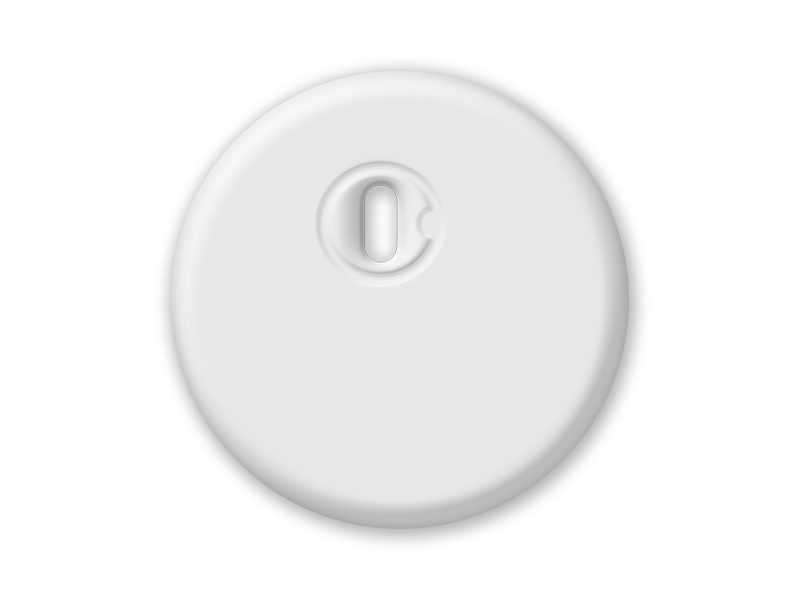
Table 3. Summary of the most common CGMs available in New Zealand as of November, 2026.10, 23, 25–29
| Features |
Standalone |
|
|
|
Interoperable |
|
|
|
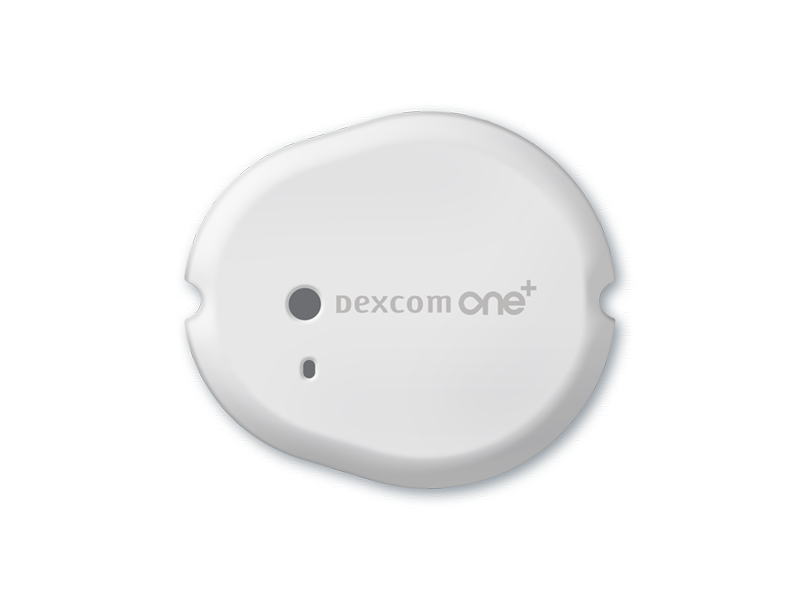
Dexcom ONE+
(NZMS) |
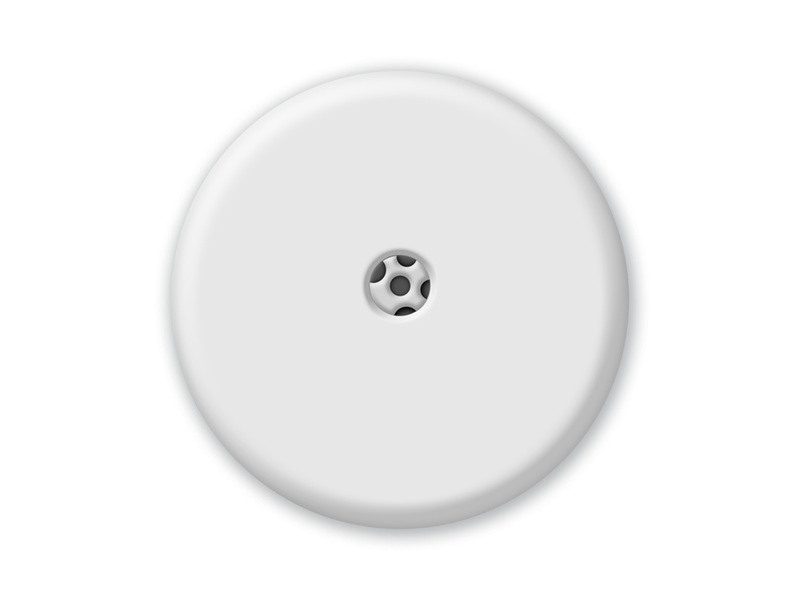
FreeStyle Libre 2 Plus
(Mediray) |
LinX CGM
(Intuitive Therapeutics) |
CareSens Air
(Pharmaco) |
Dexcom G6*
(NZMS) |
Dexcom G7
(NZMS) |
FreeStyle Libre 3 Plus
(Mediray) |
|
 |
 |
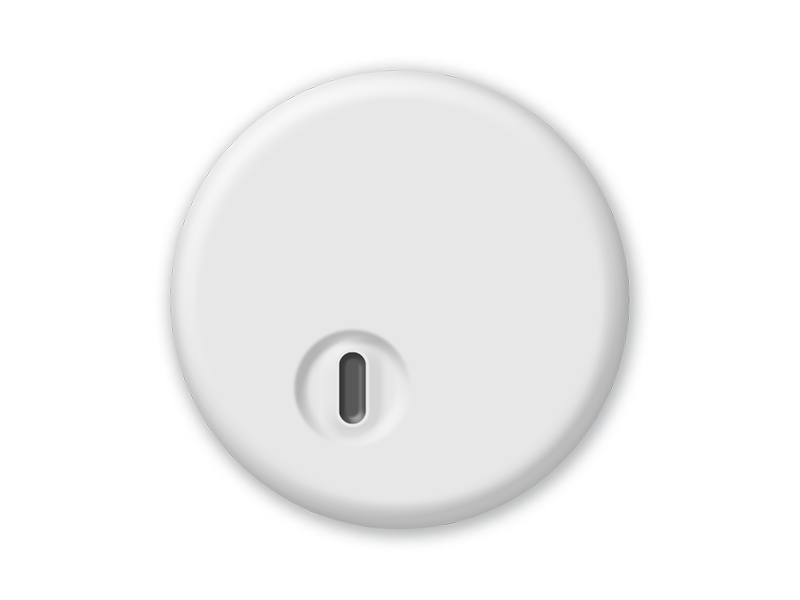 |
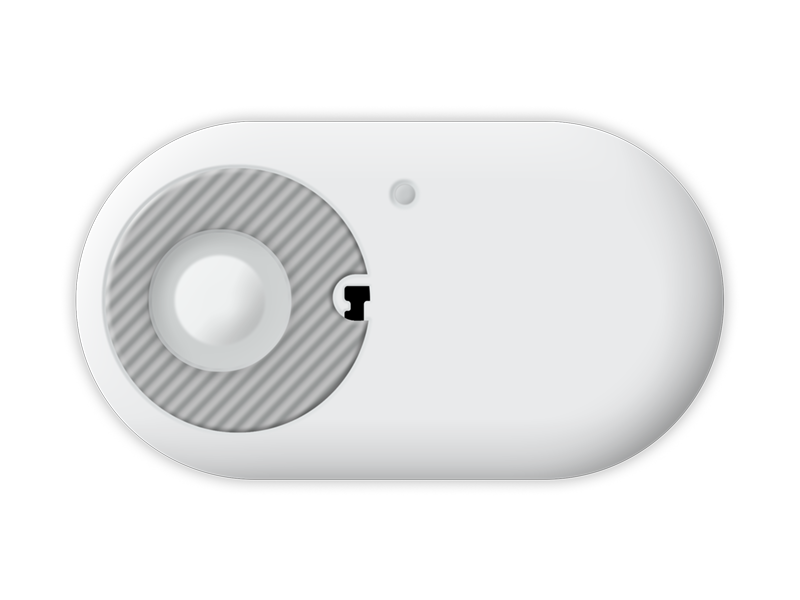 |
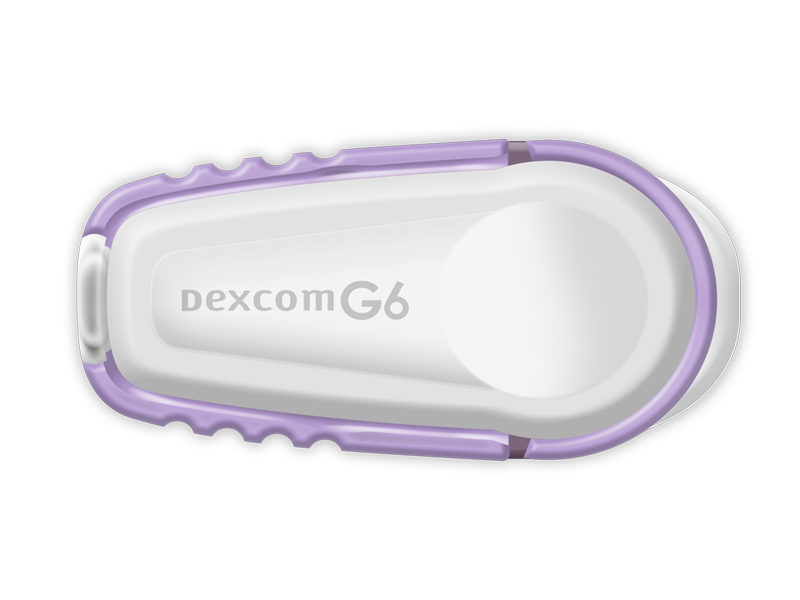 |
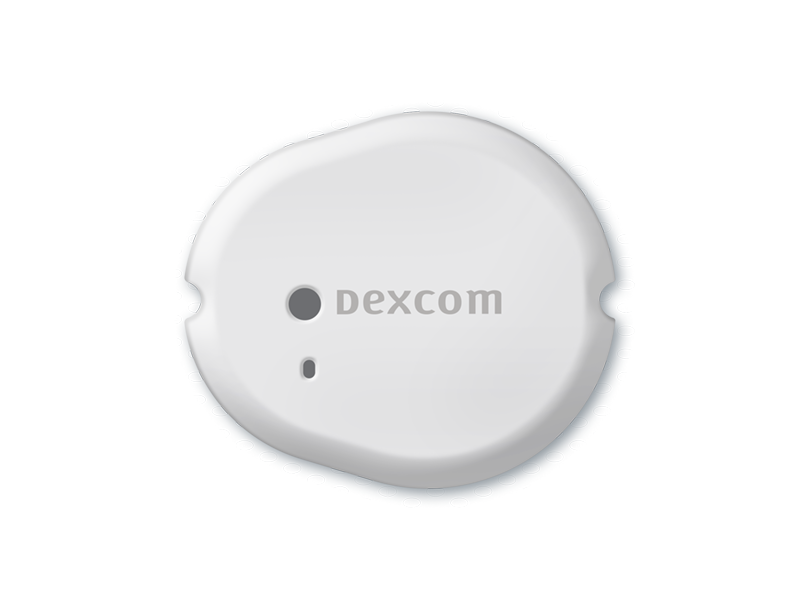 |
 |
| Sensor life |
10 days + 12 hour grace period |
15 days |
15 days |
15 days |
10 days |
10 days + 12 hour grace period |
15 days |
Accuracy in adults
(mean absolute relative difference; MARD)† |
~8% |
~8% |
~9% |
~9% |
~9 – 10% |
~8% |
~8% |
| Warm up period |
30 minutes |
60 minutes |
60 minutes |
30 minutes |
Two hours |
30 minutes |
60 minutes |
| Sensor size |
27 mm (L) x 24 mm (W) x 4.7 (H) |
35 mm (diameter) x 5 mm (H) |
22 mm (diameter) x 4.2 mm (H) |
35 mm (L) x 19 mm (W) x 5 mm (H) |
47.5 mm (L) x 30.5 mm (W) x 15.2 mm (H) |
27.4 mm (L) x 24.1 mm (W) x 4.7 mm (H) |
21 mm (diameter) x 2.9 mm (H) |
| Indication |
Indicated for people aged two years and over and during pregnancy |
Indicated for people aged two years and over and during pregnancy |
Indicated for people aged 18 years and over |
Indicated for people aged 18 years and over |
Indicated for people aged two years and over and during pregnancy |
Indicated for people aged two years and over and during pregnancy |
Indicated for people aged two years and over and during pregnancy |
| Sensor placement |
Back of upper arm or abdomen |
Back of upper arm |
Back of upper arm or abdomen |
Back of upper arm |
Back of upper arm or abdomen |
Back of upper arm or abdomen |
Back of upper arm |
| Glucose reading frequency |
Every five minutes |
Every minute |
Every minute |
Every five minutes |
Every five minutes |
Every five minutes |
Every minute |
Water resistance
(depth and time) |
2.4 m for up to 24 hours |
1 m for 30 minutes |
1 m for 30 minutes |
1 m for 24 hours |
2.4 m for up to 24 hours |
2.4 m for up to 24 hours |
1 m for 30 minutes |
| Interactions |
Hydroxyurea |
High-dose vitamin C |
Hydroxyurea and high-dose vitamin C |
High-dose vitamin C |
Hydroxyurea |
Hydroxyurea |
High-dose vitamin C |
| Phone app and reader/receiver availability |
Dexcom ONE+ app
A Dexcom ONE+ Receiver is available free of charge for some people without a smartphone who are eligible for a funded CGM |
LibreLink or Libre app
A Libre 2 Reader is available free of charge for some people without a smartphone who are eligible for a funded CGM |
LinX CGM app |
CareSens Air app |
Dexcom G6 app
Separate reader device can be purchased for people without a smartphone
Readings may also be displayed on the insulin pump or insulin pump app |
Dexcom G7 app
Separate reader device can be purchased for people without a smartphone
Readings may also be displayed on the insulin pump or insulin pump app |
Libre app
Readings may also be displayed on the insulin pump or insulin pump app |
| Data sharing |
With others via Dexcom ONE+ app and Dexcom Follow app
With healthcare providers via Dexcom Clarity |
With others via FreeStyle LibreLink app and LibreLinkUp app
With healthcare providers via LibreView |
With others via LinX CGM app
With healthcare providers via Pancares |
With others via Caresens 365 app
With healthcare providers via Sens 365 |
With others via Dexcom Follow or some insulin pump apps
With healthcare providers via Dexcom Clarity or Glooko |
With others via Dexcom Follow
With healthcare providers via Dexcom Clarity or Glooko |
With others via CamAPS Fx app
With healthcare providers via CamAPS Fx app or Glooko |
| Bluetooth range |
Ten metres (or six metres if using a receiver) |
Six metres |
8 – 10 metres |
Six metres |
Six metres |
Ten metres |
Ten metres |
Sensor memory
(when out of range) |
Up to 24 hours |
Up to eight hours |
15 days |
12 hours |
Up to three hours |
Up to 24 hours |
Up to 15 days, depending on the device the sensor is paired with |
| Alarm functionality |
High and low glucose alerts, signal loss |
High and low glucose alerts, signal loss |
Very high, high, low, urgent low, rapidly changing glucose alerts, signal loss |
High, low, very low, rapidly changing glucose alerts, signal loss, remaining sensor life |
High, low, urgent low soon, urgent low glucose alerts, rise rate, fall rate, signal loss |
High, low, predictive urgent low soon, urgent low glucose alerts, rise rate, fall rate, signal loss, silent mode |
High, low, urgent low glucose alerts, signal loss, silent mode |
| Funding |
Yes: SA2538 |
Yes: SA2538 |
No |
No |
Yes: SA2537 |
Yes: SA2537 |
Yes: SA2537 |
| Approximate cost per sensor if self-funding‡ |
$78/10 days
$7.80 per day |
$114/15 days
$7.60 per day |
$75/15 days
$5 per day |
$60/15 days
$4 per day |
$127/10 days
$12.70 per day |
$127/10 days
$12.70 per day |
N/a |
| Other |
Adhesive over-patches supplied
User guide |
Adhesive over-patches not usually required but are available to purchase
User guide |
Adhesive over-patches supplied
User guide |
Adhesive over-patches supplied
User guide |
Adhesive over-patches supplied
User guide |
Adhesive over-patches supplied
User guide |
Adhesive over-patches not usually required but are available to purchase
User guide |
* The Dexcom G6 CGM is being discontinued and will no longer be funded in New Zealand from early 2027.21 Prescribers should ensure that no new patients are started on the Dexcom G6 and begin transitioning patients currently using this model to an alternative funded interoperable CGM.
† MARD is the difference of the CGM reading from the reference or standard of care measurement; a lower MARD indicates greater accuracy
‡ Excluding shipping. Some suppliers offer packs with multiple sensors or subscription options that reduce the cost per sensor. The approximate costs shown here are based on the purchase of a single sensor.
Australian and New Zealand CGM (anzCGM) minimum standard recommendations have been developed. These propose minimum standards of accuracy and precision for CGM devices. View the standards to determine which CGM models available in New Zealand meet the minimum quality standards: www.diabetessociety.com.au/guideline/strengthening-safety-through-regulatory-standardisation-for-continuous-glucose-monitoring-systems-anzcgm-in-australia-and-new-zealand/.
CGMs generate a substantial amount of information that is not available with traditional blood glucose self-monitoring. While generally helpful and informative, these data can also be overwhelming for some people using CGMs and healthcare professionals. Therefore, it is useful to be aware of which data metrics are most clinically relevant to focus on.
For patients using a CGM to understand factors affecting their glucose levels, encourage them to record relevant information, such as meals, physical activity, illness, stress or medicines, alongside their glucose readings using the notes or event-logging features in the CGM app, or in a separate diary.
Focus on four key metrics and reports
CGMs can generate summary reports directly on the person’s smartphone or receiver device or the healthcare professional’s cloud-based system, e.g. the ambulatory glucose profile. Data are most useful to interpret when there is at least 7 – 14 days of continuous use.3
Focus on the following key metrics and reports to get the most value from CGM data:3, 30
- Time in range (TIR): glucose readings between 3.9 mmol/L and 10.0 mmol/L
- Aim for > 70% of the day in range
- For older or high-risk patients, a target of > 50% of the day in range may be acceptable
Reassure patients that it is normal for glucose levels to fluctuate throughout the day, particularly after meals. Readings outside of the target range are expected and this does not necessarily mean that treatment needs to be adjusted.
- Time below range (TBR): glucose readings < 3.9 mmol/L
- Aim for < 4% of the day below range and < 1% with very low levels (< 3.0 mmol/L)
- For older or high-risk patients, time below range should occur for < 1% of the day
- If patients report frequent symptomatic episodes of hypoglycaemia, this should be addressed even if the above CGM targets are met
CGM-reported episodes of hypoglycaemia in patients diagnosed with type 2 diabetes who do not take insulin or a sulfonylurea are generally considered not clinically relevant, unless the patient is symptomatic
- Estimated HbA1c (also referred to as glucose management indicator, GMI): individualise, but generally < 53 mmol/mol (7%; some CGMs report as %)
- Investigate any discrepancy between HbA1c (or GMI) estimated by the CGM (i.e. from interstitial fluid) and the most current laboratory HbA1c result (i.e. from blood). This may indicate a recent change in glycaemia (laboratory HbA1c may lag behind recent glucose changes), or a haematological condition (e.g. anaemia, haemoglobinopathy, iron deficiency) affecting the laboratory HbA1c.
- Ambulatory glucose profile: graphs median glucose (with associated percentile bands) over a 24-hour period using data collected over multiple days. This provides a rapid view of overall glucose trends and identifies times of day most associated with hyper- and hypoglycaemia.
CGM data targets differ during pregnancy; patients diagnosed with diabetes who are pregnant should be managed in secondary care
The following checklist can be used as a guide when interpreting and discussing CGM data with patients:12
- Has the CGM been active for an adequate period of time?
- Is the time in range target being met?
- If so, discuss what is working well
- If not, discuss how this could be improved
- What is the estimated HbA1c, and is it consistent with any recent laboratory HbA1c test?
- Is there any time below range indicating hypoglycaemia?
- If so, discuss possible causes and solutions
- Ask whether the patient has experienced any symptoms or episodes of hypoglycaemia; symptoms take priority over CGM readings10
- Are there any patterns that can be identified in the glucose readings?
- If so, discuss whether factors such as meals or physical activity could be contributing to these
- Does the patient have any concerns with using the CGM or about their glucose readings?
Providing practical CGM education to patients
Primary healthcare professionals, including community pharmacists, have a role in providing education to patients using CGMs. In general, education should cover application tips, the importance of customising alarms, an overview of how to interpret CGM data (see: “CGM data at a glance”), including discussion of the “lag” between sensor glucose readings compared to finger-prick testing, how to navigate airport security, water resistance guidance, as well as what to do if they have a faulty CGM.4, 12 It is also important to set realistic patient expectations about what CGMs can and cannot do, and that an initial adjustment period is often required while patients become familiar with the device.4
Ensure patients have downloaded the specific app or have the receiver they need from the supplier to view data and know how to access the user guide for more detailed information.
Application tips
 Mild skin irritation has been reported with CGM sensors.2 To prevent skin irritation and maximise adherence, advise patients to apply CGM sensors to healthy skin (i.e. non-irritated or non-broken skin) that is clean and dry and to rotate insertion sites, e.g. between approved application sites or a different site within the same area.31 Alcohol wipes should be avoided in patients with sensitive skin; soap and water is sufficient to clean the skin prior to application. Adhesive over-patches or sports bandages may be needed for patients who experience difficulty with the sensor starting to lift.12 Advise patients to remove the sensor slowly at a low angle; the use of adhesive removal products or cooking oils may help with removal.
For patients with persistent skin reactions, a barrier cream or film spray or fluticasone propionate nasal spray (off-label) may be applied topically to the area before sensor placement to reduce irritation from the adhesive.12, 31 Alternatively, patients may find switching to a different model in which the adhesive does not contain known skin allergens, such as isobornyl acrylate or MBPA, beneficial.28
Customise alarms
 Individualising CGM alarm settings for low and high readings is important to maximise the benefits of the device and minimise distress.2 Some patients can experience alarm fatigue and desensitisation from frequent alerts.2 Setting the ideal thresholds is likely to be a trial and error process, and these can be adjusted over time as required, e.g. as glucose levels improve. A useful starting point is to set the low alert to 3.9 mmol/L for patients taking insulin or sulfonylureas; a higher threshold may be appropriate for those at increased risk from hypoglycaemia, e.g. occupational drivers, patients who experience frequent or severe episodes of hypoglycaemia. For high alerts, the default threshold (often around 10 mmol/L, depending on the model) may generate frequent alarms and contribute to distress; consider increasing this threshold, as appropriate. In patients diagnosed with type 2 diabetes who are not treated with insulin or sulfonylureas, low glucose alerts can have limited clinical relevance and may be disabled.
Compression lows
 All CGM models can falsely report hypoglycaemia when pressure is applied to the sensor insertion site, e.g. while sleeping.3 This phenomenon, termed “compression lows”, is due to reduced blood flow to the sensor site.3 Advise patients to confirm any CGM-reported hypoglycaemia with a blood glucose meter. Assess the patient’s sensor insertion site if hypoglycaemia is frequently reported overnight.
Airport security
 New Zealand Aviation Security recommends that passengers inform aviation security officers about wireless medical devices (on their person or in luggage) when approaching security screening, so that they can arrange an alternative screening procedure.32 CGMs often trigger the alarm on walk-through metal detectors. They may also malfunction if exposed to full body scanners or X-ray machines and therefore should not go through these machines. Patients should be familiar with their CGM user manual for specific travel instructions and the security screening rules and procedures of their travel destination.32
When a patient is established on a CGM, provide them with a letter stating that they have diabetes and are dependent on a diabetes medical device – specific information about travelling with the device can be added as necessary, e.g. this device should not go through an X-ray machine.32 A copy of this letter can be given to aviation security officers if the patient goes through airport security screening (or any other screening).
For further information, see: www.aviation.govt.nz/about-us/media-releases/show/guidance-for-people-living-with-diabetes
Water resistance
 People with CGMs are able to shower and bathe as usual and it is generally possible to swim without damaging the device.1 Depth and duration of immersion specifications vary between models; advise patients to check water resistance information for their specific CGM (Table 3).
Connectivity and faulty CGMs
 Provide patients with general tips on maintaining connectivity between the sensor and their smartphone or receiver device, e.g. ensure the phone/receiver is within range of the sensor without obstruction, keep phone charge above 20% and minimise other apps using Bluetooth. If the smartphone/receiver is temporarily out of Bluetooth range, the CGM sensor will store glucose readings and transfer them when the connection is re-established; the length of time that data are stored varies between models (Table 3).
Patients who experience a faulty CGM (e.g. not initiating a session, connection issues despite troubleshooting, sensor not sticking despite correct application) should contact the supplier of their CGM as soon as possible.22, 33 The supplier will usually organise a free replacement product directly with the patient. Ensure patients have a blood glucose meter and adequate supply of glucose test strips to use in the meantime.
Seek specialist advice if there are concerns about diabetes management following a loss of CGM recordings, particularly for patients on an insulin pump.