This audit helps primary healthcare professionals ensure they are requesting appropriate baseline testing before prescribing angiotensin-converting enzyme (ACE) inhibitors and angiotensin-II receptor blockers (ARBs) to identify patients at increased risk of adverse effects.
ACE inhibitors and ARBs are indicated for a range of conditions including hypertension, heart failure, diabetic nephropathy, chronic kidney disease and the prevention of cardiovascular events post-myocardial infarction. The pharmacological actions of ACE inhibitors and ARBs include reduced glomerular filtration and blood pressure and raised serum potassium. In most cases these effects indicate therapeutic benefit and are not associated with adverse effects. However, these medicines can cause clinically significant hyperkalaemia, renal impairment or hypotension in patients with pre-existing risk factors, e.g. volume depletion, reduced renal function, heart failure, diabetes, concurrent use of diuretics and/or NSAIDs. Hypotension occurs most often after the first dose or following dose increases.
Cautions for ACE inhibitors and ARBs
ACE inhibitors and ARBs should be used with caution in a range of situations due to the increased risk of adverse effects or interactions with pre-existing medicines. Risk factors include:
- Renal impairment (ACE inhibitors are contraindicated in patients with severe renal artery stenosis)
- Hyponatraemia, hypovolaemia or dehydration
- Concomitant use of diuretics, particularly high doses
- Peripheral vascular or renovascular disease
- Hyperkalaemia
- Hypotension
- Severe or unstable heart failure
- Concomitant use of medicines known to interact, e.g. NSAIDs (risk of renal impairment), potassium-sparing agents (risk of hyperkalaemia), lithium (risk of lithium toxicity), vildagliptin (risk of angioedema)
For further information on avoiding the risk of acute kidney injury when prescribing ACE inhibitors or ARBs, see: bpac.org.nz/2018/triple-whammy.aspx
Recommended baseline testing
Baseline assessment of serum creatinine, electrolytes and blood pressure is recommended before starting treatment with an ACE inhibitor or ARB to identify patients at risk of adverse effects and provide a benchmark for monitoring treatment effectiveness and safety. Ongoing monitoring is also recommended to detect clinically significant changes in serum potassium and renal function from baseline, however, is not covered in this audit.
For further information on prescribing ACE inhibitors and ARBs, see: bpac.org.nz/2021/ace.aspx
Summary
This audit identifies patients who have recently started treatment with an ACE inhibitor or ARB to assess whether appropriate baseline testing was requested prior to initiation.
Recommended audit standards
All patients prescribed either an ACE inhibitor or ARB should have baseline serum creatinine, electrolytes and blood pressure results recorded in their clinical notes. For the purposes of this audit, “baseline” is defined as up to three months before starting treatment; this is an arbitrary period suggested to capture most clinical situations. For most patients it will be appropriate to measure blood pressure immediately before starting treatment, whereas a less recent serum creatinine or electrolyte measurement (i.e. recorded within the preceding three months) may be appropriate in some clinical situations, e.g. the patient is clinically stable and does not have risk factors for adverse effects.
Ideally, all patients will have all three baseline test results recorded in their clinical notes. If this is not achieved on the first cycle of the audit, it should be the aim for the second cycle.
Eligible patients
Any patient who has started treatment with an ACE inhibitor or ARB in the last 12 months is eligible for this audit. N.B. Exclude patients whose treatment was started by another clinician.
Identifying patients
You will need to have a system in place that allows you to identify eligible patients and audit their clinical notes. Many practices will be able to do this by running a “query” through their PMS to find patients who have been prescribed an ACE inhibitor or ARB in the last 12 months. The clinical notes of identified patients will then need to be reviewed; those who have been prescribed treatment for the first time within this period are eligible for inclusion in this audit.
When an eligible patient is identified, their clinical notes should be searched for serum creatinine, electrolyte and blood pressure results recorded in the three months prior to their first prescription.
Sample size
The number of eligible patients will vary according to your practice demographic. If a large number of results are returned, a sample size of 20 – 30 patients is sufficient for this audit.
Criteria for a positive outcome
A positive result is any patient currently prescribed an ACE inhibitor or ARB that has baseline results for serum creatinine, electrolytes and blood pressure recorded in their clinical notes, i.e. all three results were recorded ≤ 3 months before starting treatment.
Data analysis
Use the sheet provided to record your data. The percentage achievement can be calculated by dividing the total number of patients with a positive outcome, i.e. the total number of ticks in column E, by the total number of patients audited.
Clinical audits can be an important tool to identify where gaps exist between expected and actual performance. Once completed, they can provide ideas on how to change practice and improve patient outcomes. General practitioners are encouraged to discuss the suitability and relevance of their proposed audit with their practice or peer group prior to commencement to ensure the relevance of the audit. Outcomes of the audit should also be discussed with the practice or peer group; this may be recorded as a learning activity reflection if suitable.
The Plan, Do, Study, Act (PDSA) model is recommended by the Royal New Zealand College of General Practitioners (RNZCGP) as a framework for assessing whether a clinical audit is relevant to your practice. This model has been widely used in healthcare settings since 2000. It consists of two parts, the framework and the PDSA cycle itself, as shown in Figure 1.
1. The framework
This consists of three questions that help define the “what” and “how” of an improvement project (in this case an audit).
The questions are:
- "What are we trying to accomplish?" – the aim
- "How will we know that a change is an improvement?" – what measures of success will be used?
- "What changes can we make that will result in improvement?" – the concept to be tested
2. The PDSA cycle
This is often referred to as the “engine” for creating, testing and carrying out the proposed changes. More than one cycle is usually required; each one is intended to be short, rapid and frequent, with the results used to inform and refine the next. This allows an ongoing process of continuous learning and improvement.
Each PDSA cycle includes four stages:
- Plan – decide what the change to be tested is and how this will be done
- Do – carry out the plan and collect the data
- Study – analyse the data, assess the impact of the change and reflect on what was learned
- Act – plan the next cycle or implement the changes from your plan
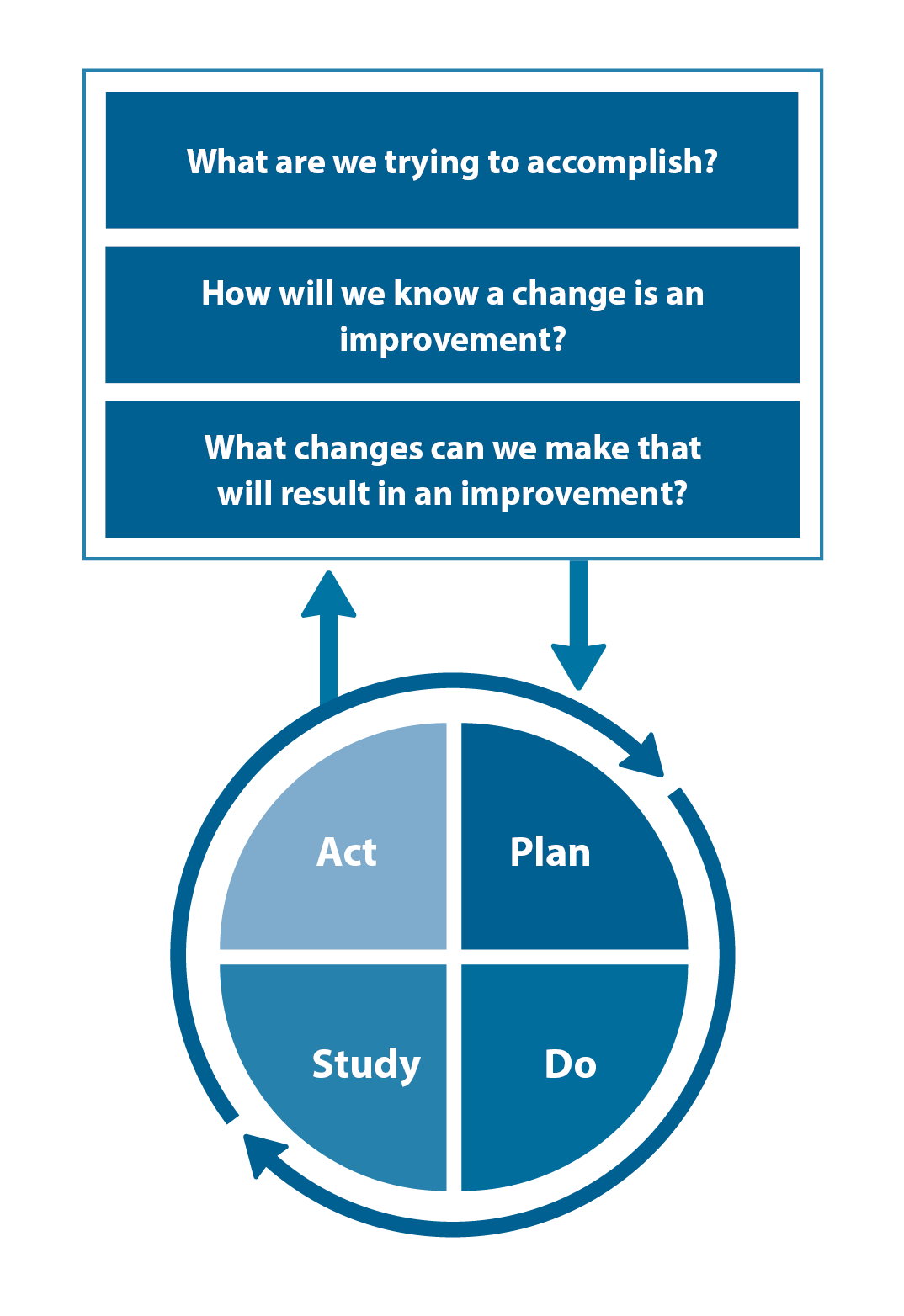
Figure 1. The PDSA model for improvement.
Source: Plan, Do, Study, Act (PDSA) cycles and the model for improvement

Claiming credits for Te Whanake CPD programme requirements
Practice or clinical audits are useful tools for improving clinical practice and credits can be claimed towards the Patient Outcomes (Improving Patient Care and Health Outcomes) learning category of the Te Whanake CPD programme, on a two credit per learning hour basis. A minimum of 12 credits is required in the Patient Outcomes category over a triennium (three years).
Any data driven activity that assesses the outcomes and quality of general practice work can be used to gain credits in the Patient Outcomes learning category. Under the refreshed Te Whanake CPD programme, audits are not compulsory and the RNZCGP also no longer requires that clinical audits are approved prior to use. The college recommends the PDSA format for developing and checking the relevance of a clinical audit.
To claim points go to the RNZCGP website: www.rnzcgp.org.nz
If a clinical audit is completed as part of Te Whanake requirements, the RNZCGP continues to encourage that evidence of participation in the audit be attached to your recorded activity. Evidence can include:
- A summary of the data collected
- An Audit of Medical Practice (CQI) Activity summary sheet (Appendix 1 in this audit or available on the
RNZCGP website).
N.B. Audits can also be completed by other health professionals working in primary care (particularly prescribers), if relevant. Check with your accrediting authority as to documentation requirements.