Published: 23rd October, 2026
Key practice points
- Many common household products containing acids and alkalis, and some other surfactants and detergents, can cause caustic injury, e.g. cleaning agents, car battery fluid, pool chemicals, rust removers
- Key components of a risk assessment following a caustic exposure are time of incident, route of exposure, identification of the substance, its form, concentration and pH (if known) and the circumstances of the exposure
- Caustic ingestions in young children are often exploratory in nature and involve small quantities; however, even small quantities of some chemicals can cause injury. Accidental ingestion of larger quantities can occur in both children and adults when chemicals are stored in drink bottles or decanted into cups. Intentional ingestions are associated with increased risk.
- Hypersalivation, stridor or vomiting (especially haematemesis) after an oral exposure is often suggestive of more severe injury, although the absence of these symptoms does not exclude injury
- With a caustic dermal exposure, the duration that the substance is in contact with the skin is a key factor in determining the extent of injury. Effects range from mild irritation and erythema to full thickness burns and systemic symptoms.
- All ocular exposures to caustic chemicals require emergency ophthalmological evaluation as they can cause significant, sometimes permanent injury
- Inhaled caustic chemicals can dissolve into respiratory mucous membranes causing local irritation and coughing at low concentrations and severe respiratory distress at higher concentrations, or when exposure occurs in an enclosed area
- Medical observation for clinical deterioration is recommended in most scenarios following a caustic exposure. Referral to the emergency department is often required, as extended observation may not be practical for many primary care clinics.
- Hydrofluoric acid is a unique caustic substance in that it causes tissue damage via both caustic and systemic mechanisms. It is commonly used in glass- and metal-working industries.
- Hospital referral is recommended in all cases of hydrofluoric acid exposure as more comprehensive management is required. Prompt administration of calcium gluconate (antidote) can limit injury and reduce associated pain.
- Contact the National Poisons Centre (see box) if there is any uncertainty in the management of a patient following a caustic exposure
- All exposures and injuries involving hazardous substances should be notified to the Hazardous Substances Surveillance System (HSSS). This can be done using the Hazardous Substances Disease and Injury Reporting Tool (HSDIRT), accessed via your practice management system, or by contacting your local Public Health Unit directly.

The National Poisons Centre
It is best practice to consult with the National Poisons Centre (NPC) if there is any uncertainty regarding the treatment of a patient who has been exposed to a potentially harmful substance. Poisons Information Officers are comprehensively trained to provide guidance to healthcare professionals on any toxic exposures, including decontamination and antidotes, relevant monitoring and overall patient management. A medical toxicologist is also available at any time to provide in-depth clinical advice in more complex or emergency situations.
- Phone: 0800 764 766
- Web: www.poisons.co.nz
- Available 24-hours a day, seven days a week
Caustic injury occurs when a substance causes direct tissue damage upon contact.1 It typically involves denaturation of biological proteins by one of six chemical reactions: oxidation, reduction, corrosion, desiccation, vesication or protoplasmic poisoning.2 The terms “corrosive” and “caustic” are often used interchangeably, however, corrosion is a specific process of mechanical degradation; all corrosives are caustic, but not all caustics are corrosive.3 Acids and alkalis are commonly associated with caustic injuries, but other substances can also cause caustic injury, including desiccants (e.g. calcium oxide/chloride in moisture absorbers), vesicants (e.g. mustard gas), surfactants (e.g. surface wetting agents) and alkali group metals (e.g. sodium, potassium).3
Mechanisms differ but management is the same
Acids and alkalis are the most likely caustic substances that people will be exposed to (see: “Caustic chemicals are readily available”). Any exposure to a chemical with a pH of < 3 or > 11 has the potential to cause significant injury, e.g. perforation of the oesophagus.1 The mechanism of injury for acids and alkalis differs slightly, but in most cases this does not affect the decontamination or management of a patient with a caustic exposure (an exception is hydrofluoric acid – see: “Focus: Hydrofluoric acid exposures”).1
Read more
Acid injuries occur via coagulation necrosis. Dissociated hydrogen ions (H+) cause cellular ischaemia, protein precipitation and eschar formation.3 The eschar prevents further hydrogen ion penetration, limiting injury depth, however, deeper tissue damage is still expected with concentrated acids.3, 4 Systemic absorption can occur if large quantities of acid are ingested, potentially causing metabolic acidosis.3
Alkali injuries involve liquefactive necrosis. Hydroxide ions (OH–) denature proteins and hydrolyse ester bonds of lipids (saponification), releasing hydrolytic enzymes.3 Dissolution of the affected tissues occurs and deeper injury is possible because the process is not restricted by eschar formation.3 Alkalis also cause thrombosis in surrounding vessels, limiting local blood supply and potentiating necrosis.3
Both acids and alkalis react exothermically with tissues on contact as well, causing further thermal damage.4
Routes of exposure to caustic substances

Ingestion. Caustic injury occurs rapidly following ingestion; burns to multiple layers of the oesophagus can develop in seconds.5 Initially, local inflammation and oedema are the main pathological processes, which can result in airway compromise.5 Depending on whether blood vessels are affected, haemorrhage or thrombosis may also occur.5 The risk of oesophageal (or gastric) perforation increases as the damaged cells become necrotic, leading to further haemorrhage, introduction of bacteria and potentially sepsis.5

Dermal exposure. Caustic chemicals immediately damage epithelial surface cells on contact, resulting in cell death.6 Injury severity is most dependent on how long the chemical is in contact with the skin, highlighting the importance of early decontamination.6 Burn depth can progress in the first 48 hours, necessitating early follow-up.7 The final pathological outcome of a chemical burn is the same as for a thermal burn, therefore, they can be classified in the same way:6, 8
Burns classification
- First-degree or superficial burns are limited to the epidermis, and are characterised by a dry appearance with erythema and pain
- Second-degree or partial thickness burns can be further divided into superficial partial thickness burns (involving the epidermis and upper dermis) that are painful, blanch with pressure and have a wet appearance or involve blistering, and deep partial thickness burns (involving multiple layers of the dermis) that are also painful but more likely to have a dry appearance, take longer to heal (i.e. > 3 weeks) and result in scarring
- Third-degree or full-thickness burns penetrate through the dermis layer, and are often painless because the nerve endings located in the dermis are destroyed. They may have a white, brown or black appearance and are associated with significant injury and long-term complications, e.g. scarring, loss of function.
Severe chemical burns over large body surface areas have the potential to cause systemic effects, e.g. dehydration, metabolic and electrolyte disturbances, hypothermia (due to persistent irrigation of the affected area).6
For tools to aid estimation of the total body surface area affected by a burn, see: www.nationalburnservice.co.nz/policies-and-guidelines/

Ocular exposure. Eyes are extremely sensitive to chemical insult, and caustic exposure can result in permanent visual damage and chronic pain. Caustic ocular injuries involving alkali penetrate readily into the eye via saponification of membrane fatty acids, damaging the cornea and intraocular structures, e.g. the iris, lens and ciliary body.9 In contrast, ocular epithelial proteins immediately precipitate in contact with acids, forming a barrier and limiting penetration.9 Inflammatory mediators released in response to damage to the anterior eye structures diffuse posteriorly and are responsible for retinal damage.9

Inhalation. Highly water soluble compounds (e.g. hydrogen chloride, hydrogen fluoride, ammonia) dissolve into the mucosa of the upper respiratory tract causing immediate local irritation.2 At higher concentrations, ulceration and caustic burns can develop, as well as laryngeal oedema, stridor, wheeze, pulmonary oedema, hypoxia and death.4 Compounds with lower water solubility, (e.g. nitrogen dioxide, phosgene gas – which is slowly hydrolysed to hydrochloric acid) do not immediately react with the upper respiratory mucosa, instead travelling further distally and causing lower respiratory effects, which may be delayed up to 12 hours.2, 10
Caustic chemicals are readily available

A wide range of household and industrial chemicals have the potential to cause caustic injury (Table 1). Workplaces must have Safety Data Sheets (SDS) readily accessible to employees that provide information on hazardous substances on site, including the chemical composition, pH and first aid information.11 Consumer products used in quantities consistent with household use do not typically require a SDS, however, the National Poisons Centre can be contacted for information about a product.
Table 1. Commonly used caustic chemicals.3, 6
| Chemical |
Chemical formula |
Uses |
| Acids |
| Hydrochloric acid |
HCl |
Metal cleaner, swimming pool maintenance |
| Sulfuric acid |
H2SO4 |
Conventional car batteries, toilet cleaners, drain cleaner, fertiliser |
| Nitric acid |
HNO3 |
Engraving, pickling paste (used in welding), electroplating, fertiliser |
| Phosphoric acid |
H3PO4 |
Disinfectants, beer line cleaner (homebrewing kits and commercial operations), rust remover |
| Citric acid |
C6H8O7 |
Cooking, household cleaners, coffee machine descalers |
| Acetic acid |
CH3COOH |
Disinfectants, printing and photography |
Hydrofluoric acid
(see: “Focus: Hydrofluoric acid exposures”) |
HF |
Pickling paste (used in welding), glass etching, rust remover, automotive wheel cleaner |
| Alkalis |
| Sodium hydroxide (caustic soda, lye) |
NaOH |
Drain cleaner, oven cleaner, cosmetic hair products, paper textile and soap manufacturing |
| Ammonium hydroxide |
NH4OH |
Household and industrial cleaner |
| Sodium hypochlorite (bleach) |
NaOCl |
Household and industrial disinfectant, swimming pool sanitiser (chlorine) |
Exposure characteristics influence outcomes
Caustic ingestions most commonly occur in young children (aged five years and under) and involve household cleaning products.5 These ingestions are generally exploratory in nature, seldom involve large quantities and are less likely to result in severe injury.3, 12 Accidental caustic ingestions by adults or older children are less common, but may occur if caustic agents are stored in drinking vessels or other unlabelled containers.
N.B. Dishwasher detergents (e.g. powder) were previously a common cause of paediatric caustic injuries in New Zealand. Legislation was passed in 2006 prohibiting the sale of dishwashing products with a pH of > 12.5 with the aim of reducing the risk of injury if ingested.13, 14
Workplace exposures often present an increased injury risk due to the higher concentrations of industrial chemicals.4 Based on available evidence, most patients requiring admission to burn centres in Australia and New Zealand for dermal caustic injuries are males who are injured in the workplace.15 Males are also more likely to experience ocular caustic injuries, however, these more commonly occur at home, where the use of eye protection is less likely than in workplaces (where it is a health and safety requirement).16
Intentional exposures in adolescents and adults are the most concerning caustic injuries; large quantities are typically consumed with the intention of self-harm, resulting in significant injury and potentially, death.3
The potential severity of a caustic injury is determined by the volume of chemical the person is exposed to, the concentration, its physical state and its pH.1 The titratable reserve of the substance (i.e. the quantity of acid or alkali required to neutralise the substance) is also an indicator of likely injury severity, however, it is unlikely this information will be known and it does not affect management in primary care.1
Initial evaluation
Most people (or parents/caregivers of children) who ingest or are exposed to a caustic substance will contact the National Poisons Centre, or present to an urgent care clinic or emergency department. There will be occasions, however, when a general practice is the first point of contact.

Immediately assess airways, breathing and circulation. Patients with symptoms suggesting airway compromise (e.g. hoarseness, worsening stridor, respiratory distress) should be transferred to hospital by ambulance; intubation may be required.3
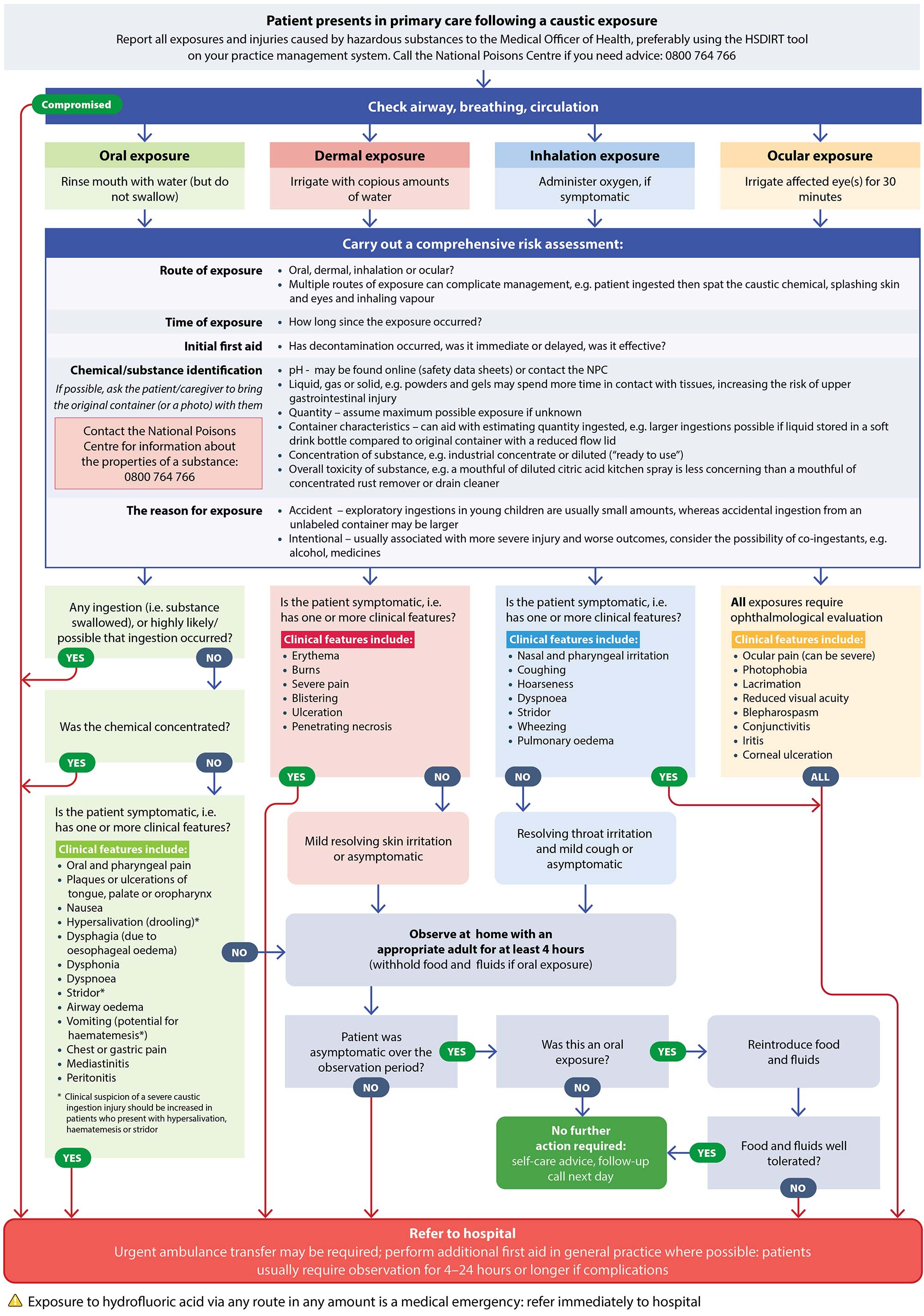
Figure 1. A summary of the assessment and management pathways for different caustic exposures in primary care.
Caustic exposure risk assessment
After confirming that the patient is stable, perform a comprehensive risk assessment, followed by a physical examination to evaluate their clinical condition and guide management (Figure 1).
Clinical features do not always correlate with injury severity for caustic ingestions
As a precaution, all patients who have ingested (or are likely to have ingested) a caustic substance require a period of medical observation to ensure symptoms do not develop or worsen, e.g. gastrointestinal pain, vomiting, difficulty swallowing, airway oedema (see: “Endoscopy is the gold standard for assessing caustic ingestion”).
The presence of severe oesophageal or gastric injury cannot be excluded based on an absence of symptoms alone;5 a retrospective study of 206 children who underwent endoscopy following caustic ingestion found that 19% who were asymptomatic had evidence of oesophageal injury.17 Conversely, evidence of mouth or oropharyngeal injury does not necessarily mean that caustic injury has occurred further along the upper gastrointestinal tract, especially in the case of children who ingest small quantities.3
Endoscopy is the gold standard for assessing caustic ingestion
Endoscopy is typically indicated for patients following larger caustic ingestions or any level of ingestion if they have significant symptoms, e.g. painful oral or pharyngeal lesions. Where clinically indicated, endoscopy should be carried out within 12 to 48 hours of ingestion, as the risk of perforation from the procedure increases after this period due to weakening of the oesophageal wall.2, 3 Visual examination of the oesophagus and stomach allows for classification of injury severity and can provide information about the likelihood of serious complications, long-term sequalae (i.e. strictures) and ongoing monitoring requirements.3 Injury classification can also be carried out using computed tomography (CT) with contrast in patients who cannot undergo endoscopy.3
Management following a caustic exposure focuses on first aid and supportive care. Resources often limit the interventions that can be provided in primary care, therefore in most cases, immediate referral to the emergency department (by ambulance if required) is more practical. Some patients who are asymptomatic or only mildly symptomatic following a caustic exposure may still require assessment and observation in the emergency department, due to the potential for clinical deterioration.
In situations where primary care clinicians need to provide emergency management to a patient before referral, or timely referral to hospital is not practical or possible, e.g. rural location, an understanding of caustic exposure management “basics” is useful.
Best Practice Tip: Contact the National Poisons Centre for chemical-specific monitoring and management advice. Phone 0800 764 766.
Ingestion or oral exposure
“Rinse but don’t swallow”
- Advise the patient to immediately rinse their mouth with water but not to swallow3
- They should not drink water or other fluids (i.e. to “dilute” the chemical) as this increases the risk of vomiting, re-exposing the upper gastrointestinal tract to the caustic substance and potentially causing further tissue damage3
- Vomiting should not be induced (for the same reason as above)18
- Do not give activated charcoal because it does not adsorb most caustic chemicals and will affect visibility if endoscopy is later required3
An obstructed airway is the main clinical concern following a significant caustic ingestion.3, 18 This can result from the initial swallowing of the chemical, involuntary vomiting or oesophageal oedema.3 Systemic symptoms are possible with large or highly concentrated caustic ingestions, e.g. metabolic acidosis, disseminated intravascular coagulation, multi-system organ failure, sepsis, shock.4, 18
Generally, all patients who swallow concentrated caustic substances require emergency department referral, regardless of symptoms.3 Even small volumes of concentrated caustic substances can cause significant oral injury and oedema, potentially leading to delayed airway compromise. Patients usually need to be observed for 4 – 24 hours, which is not practical for most primary care clinics. However, there may be some circumstances where medical observation in primary care is necessary, e.g. an asymptomatic patient in a rural location. Asymptomatic adult patients should be monitored for at least four hours, and longer observation periods may be necessary for children.4 Withhold food and fluids during this time. The patient can be sent home after this period if they remain asymptomatic and can tolerate eating and drinking, but should continue to be monitored by an appropriate adult.4 Review or check in with the patient after 24 hours to confirm they have not developed symptoms suggestive of an upper gastrointestinal injury, e.g. pain, vomiting, difficulty swallowing.
In situations where a patient has accidently taken a mouthful of a concentrated caustic substance but spat it out, the mouth should be rinsed and the patient observed in a healthcare setting for four hours. If the patient is being observed in primary care, the development of swelling or increasing pain should prompt referral to hospital. If the patient is asymptomatic after this period, they can be sent home with instructions to re-introduce fluids followed by small amounts of food, as tolerated, but should continue to be monitored by an appropriate adult. Note that in some cases, patients may not realise they have ingested the substance, due to natural swallowing reflexes.
For asymptomatic patients who have ingested a very small quantity of a diluted caustic product, observation at home with an appropriate adult for four hours is reasonable. Food and fluids should be withheld. After four hours, gradual re-introduction of fluids, then small amounts of foods, can occur. Medical attention should be sought if the patient develops symptoms, e.g. oral or pharyngeal pain, difficulty swallowing.
Caustic dermal exposure management
Immediate irrigation of affected skin with copious amounts of running water is advised for almost all* caustic dermal exposures, e.g. under a tap, in the shower, with a hose.6, 8 Early and effective decontamination can reduce injury severity.6, 7 Contaminated clothing should be removed, along with any jewellery.7, 19 Following irrigation, consider debriding blisters over joints as these may put pressure on the injured area.19
* Do not irrigate injuries caused by alkali group metals (e.g. sodium) with water as this may cause an exothermic reaction and further tissue damage. Cover any visible metal with mineral oil or surgically remove, if possible.
All patients with more than mild, resolving skin irritation following a caustic dermal exposure require emergency department referral after initial first aid, for assessment and monitoring.8 Arrange an ambulance in more severe situations, as this may allow continued irrigation of the injury while traveling to hospital.
Caustic injuries should be managed as full-thickness burns until the clinician is confident of injury severity, however, evaluation of injury depth is challenging.6 First-degree chemical burns can be managed in the same way as thermal burns, i.e. clean, simple analgesia, non- or low-adherent dressing. Further management may not be required if the patient is asymptomatic following irrigation and there is no evidence of chemical injury apart from mild erythema. Advise patients to monitor the area over the next two to three days as burn injuries can progress over time and seek medical attention if the site of exposure becomes symptomatic, e.g. pain, blistering. The exception to this is hydrofluoric acid burns, which may be painless initially, but all exposures require medical assessment in hospital (see: “Focus: Hydrofluoric acid exposures”).
Caustic ocular exposure management
Immediately irrigate eyes with water or normal saline (0.9% sodium chloride) for at least 30 minutes.9 Application of topical anaesthetic drops may facilitate more effective irrigation but should not delay it (flushing could be paused momentarily to apply drops).20, 21 Ideally, assess ocular pH after 30 minutes of irrigation by applying an indicator strip or litmus paper to the conjunctival fornix.20 Decontamination should continue until the ocular pH has returned to normal, i.e. pH of 7.0 – 7.4 or comparable to the unaffected eye.20, 22
After irrigation, assess:21, 22
- Visual acuity – some reduction in acuity is expected following prolonged irrigation
- Eyelid and eyelash margins, including everting the eyelid – to ensure no chemical is retained
- The cornea and conjunctival surface using fluorescein stain – erythema is common with mild to moderate injury, however, a white appearance of the blanched blood vessels in the conjunctiva and sclera, or corneal haze, suggests more severe injury
- The limbus – limbal ischaemia (pale or blanched appearance) is a poor prognostic indicator, as epithelial stem cells crucial for corneal regeneration may be damaged
All patients who experience a caustic ocular exposure require urgent referral to the emergency department for ophthalmological evaluation for further assessment of the injury, e.g. using slit lamp microscopy, and initiation of treatment(s) to reduce inflammation, manage symptoms and promote healing, e.g. topical steroids, intraocular pressure-lowering agents, ascorbic acid.20, 21 Consultation with, or referral to, a specialist ophthalmologist is usually required, but should not delay initial stabilisation which can be carried out/continued in the emergency department.
Best Practice Tip: Consider stocking an “emergency eye kit” to facilitate rapid and effective irrigation following a caustic eye exposure. The kit could include normal saline (in bags and ampoules), topical anaesthetic eye drops, syringes and giving sets, fluorescein strips, pH test strips, Morgan’s lenses (or nasal prongs), cotton buds, gauze and towels.22
Caustic inhalation management
Management of patients after inhalation of a caustic substance is similar to other acute inhalation injuries, e.g. smoke inhalation.
Symptomatic patients require emergency department referral for hospital observation for up to 24 hours, as upper respiratory swelling may progressively worsen over this period.23, 24 Manage bronchospasm using bronchodilators while awaiting transfer to hospital (via ambulance) and administer oxygen where available, and clinically appropriate.24–26 Endotracheal intubation and mechanical ventilation may be required if the patient’s airway becomes compromised.24
Patients who are asymptomatic or experience mild, resolving symptoms following a brief inhalation exposure can be observed at home over the next 24 hours, ideally with an appropriate adult. Advise them to seek medical attention if they develop any symptoms, e.g. nasal and pharyngeal irritation, coughing, or their existing symptoms worsen over this period.
Oral exposure/ingestion
Specific clinical monitoring is not usually required for patients with mild (or no) injury following caustic ingestion;3 give advice about returning for assessment if they develop symptoms, e.g. dysphagia, gastric pain, vomiting. In the unlikely event that delayed symptoms develop, refer the patient for acute gastrointestinal assessment. Patients who have a more severe oesophageal injury are at risk for stricture formation, which typically occurs three to eight weeks post exposure.3 Oesophageal stricture can have a substantial ongoing impact on quality of life, including limiting choice of food, nutritional deficiencies, chronic pain and an increased risk of oesophageal cancers; annual endoscopy may be indicated.3
Dermal exposure
Patients who are managed in primary care following a dermal caustic exposure should be reviewed regularly. Re-evaluate the patient 24 – 72 hours after exposure for evidence of injury progression and any signs of infection.7 Pruritus following re-epithelialisation can be managed with oral antihistamines and emollients.7 Review the patient again at seven and 14 days post exposure to assess wound healing.7 Delayed healing is a risk factor for developing hypertrophic scarring; if after 14 days the injury has not healed, refer the patient for a plastic surgery assessment.7 Potential complications following caustic dermal injuries include wound infection, cellulitis, sepsis and issues associated with scarring.27 The risk of developing complications increases with age.27
Ocular exposure
Ideally, patients who experience an ocular exposure to a caustic substance should be reassessed within 24 hours of the initial ophthalmology assessment to evaluate healing and detect progression of injury. Patients with a mild ocular caustic exposure generally respond well to treatment, with limited complications.16 Prognosis worsens with severity of injury, even with appropriate acute management.9, 16 Potential complications include visual loss, corneal scarring, conjunctival adhesions, persistent epithelial defects, dry eye disease and exposure-related corneal injury from incomplete eyelid closure.9, 16
Inhalation
Follow-up after caustic inhalation is dependent on symptom severity. Patients with mild, rapidly resolving respiratory symptoms are unlikely to experience long-term sequelae but should be advised to return if their symptoms persist or worsen. Severe caustic inhalation injury, however, destroys mucociliary function and affects surfactant production, increasing the risk of developing respiratory infections and pneumonia.24 Regular follow-up is required to evaluate respiratory function and monitor for the development of reactive airways dysfunction syndrome (RADS), a form of asthma triggered by re-exposure to a specific chemical after an initial exposure.25, 26

Referral for acute mental health review is required in all cases of intentional exposure, regardless of route of exposure or injury severity.3
Provide home safety counselling
Following a caustic injury, all patients (or parents/caregivers of children) should be counselled about home safety measures to reduce the risk of future exposures, such as:
- Storing chemicals and cleaning products at adult shoulder height or above
- Keeping products in their original containers so they can easily be identified
- Avoiding filling drinking containers, e.g. drink bottles, cups, with substances that are not intended for human consumption
Focus: Hydrofluoric acid exposures

All patients with any exposure to hydrofluoric acid require emergency department referral, as even exposures assumed to be mild or insignificant can have severe outcomes.8
Hydrofluoric acid is commonly used in glass, metal working and manufacturing industries, and may also be found in commercially available rust removers and automotive wheel cleaners.1 It is considered a weak acid in its aqueous form, but is highly lipophilic and behaves more like an alkali in caustic exposures, i.e. causes liquefactive necrosis allowing deeper tissue penetration and more extensive injury.1, 28 Pain reported following dermal hydrofluoric acid exposures is often out of proportion to physical examination findings.28
Hydrofluoric acid is a unique caustic substance in that it causes tissue destruction via two mechanisms.1 In addition to caustic injury, hydrofluoric acid exposure via any route can cause direct systemic toxicity; electronegative fluoride ions penetrate tissues and bind cations (e.g. magnesium and calcium ions), leading to hypocalcaemia and hypomagnesaemia.1 The resulting electrolyte imbalances can cause cardiac arrhythmias, e.g. polymorphic ventricular tachycardia, prolonged QTc, QRS widening and T-wave elevation.1, 28 Other systemic symptoms following high-concentration exposures include vomiting, diarrhoea, abdominal pain, seizures and hypotension.28 Symptoms and signs may be delayed, e.g. by 12 to 24 hours, particularly if the exposure involved lower concentrations of hydrofluoric acid, e.g. < 20%.28
Hydrofluoric acid exposures require specific management. Serial electrocardiography (ECG) is essential as cardiac dysrhythmias may be observed before laboratory results showing electrolyte abnormalities are available.1 Calcium, as calcium gluconate or calcium chloride, is the antidote for hydrofluoric acid, binding available fluoride ions and sparing circulating cations. In dermal exposures, following decontamination, calcium gluconate gel should be massaged into the affected area. A reduction in pain is evidence of efficacy; repeated applications may be required. If available, this can be initiated in primary care while awaiting transport to hospital; workplaces that use hydrofluoric acid should have calcium gluconate gel on site to use for dermal exposures, and this can be brought with the patient when they seek medical attention and continue to be applied. In more severe exposures, calcium gluconate can be injected subcutaneously at the burn sites or given intravenously in patients with persistent pain and systemic hypocalcaemia.1 Nebulised calcium gluconate can also be considered following inhalation of hydrofluoric acid vapours.1
By law, injuries and diseases due to hazardous substances must be notified to the Medical Officer of Health (Hazardous Substances and New Organisms Act 1996). A hazardous substance is anything that can explode, catch fire, oxidise, corrode or be toxic to humans, as defined in the Hazardous Substances and New Organisms Act 1996.
N.B. This definition does not include medicines in finished dose form (i.e. over-the-counter and prescription medicines), alcohol when classified as a food, toxins associated with food or radioactive materials, as these are covered by different legislation. Manufactured articles other than those including substances with explosive properties such as fireworks are also not included, e.g. batteries.
All injuries caused by exposure to caustic substances should be notified.
Notifying cases of hazardous substance exposures and injuries using HSDIRT
The Environmental Health Intelligence Programme NZ (EHINZ), Massey University, runs a Hazardous Substances Surveillance System (HSSS) for New Zealand. This system monitors diseases, injuries and deaths from hazardous substances exposures. Primary care notifications allow the identification of substances which are causing harm and can lead to public health action to prevent disease or injury.
For further information on the HSSS, see: www.ehinz.ac.nz/indicators/hazardous-substances
BPAC Clinical Solutions, in association with EHINZ, and funded by the Ministry of Health, has developed a Hazardous Substances Disease and Injury Reporting Tool (HSDIRT), that permits electronic reporting of all hazardous substance exposures and injuries.29 It is currently available via Medtech, Indici, MyPractice and Profile practice management systems.29
To access HSDIRT, go to the bestpractice Decision Support dashboard in your practice management system (Figure 2):
- Look for “Module list”
- Expand the “Hazardous Substances & Lead Notifications” tab
- Click on “Hazardous Substances & Lead Notifications”
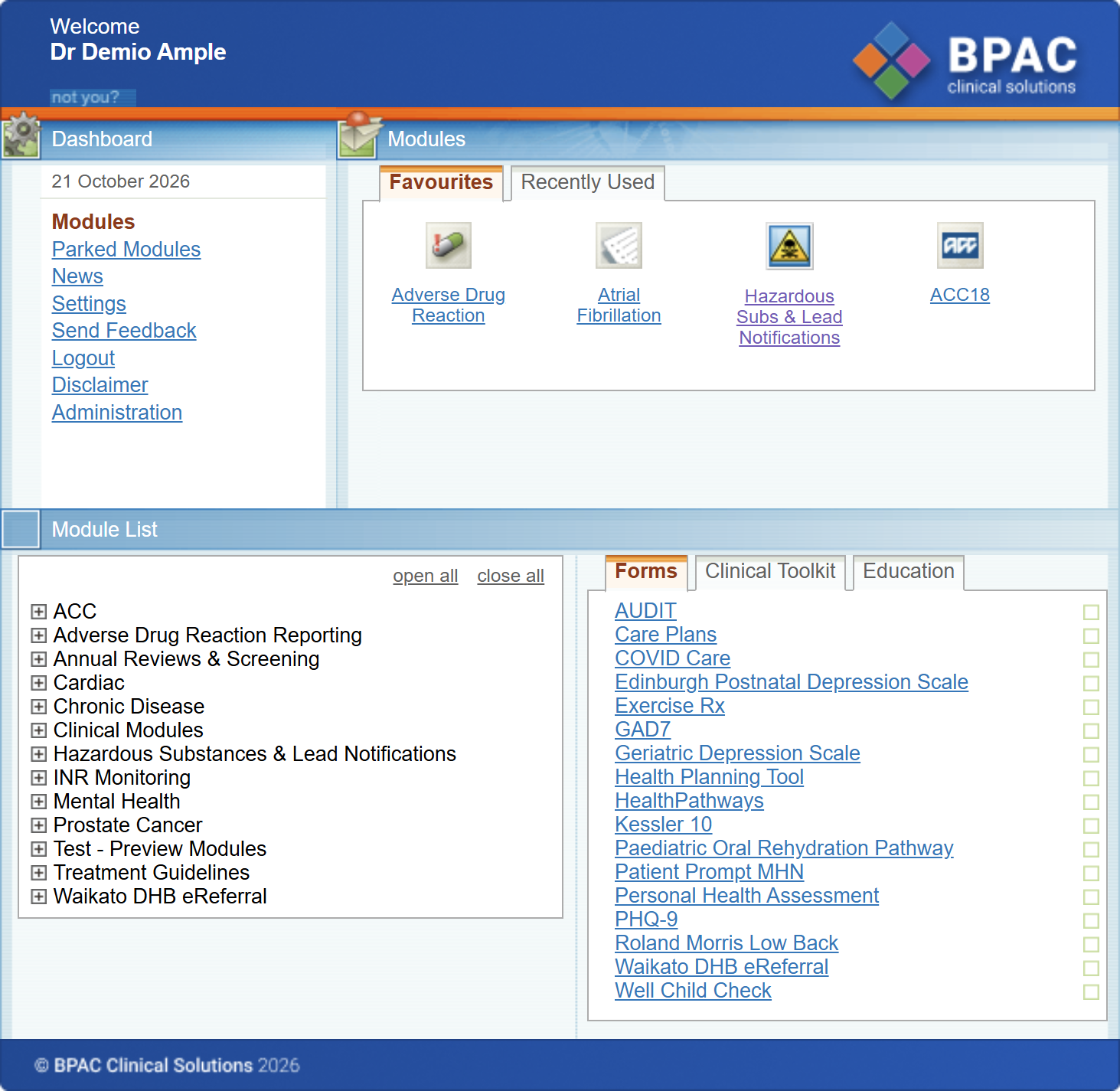
Figure 2. The bestpractice Decision Support dashboard.
The HSDIRT tool displays three tabs for clinicians to complete: “Exposure Event” (Figure 3), “Assessment” (Figure 4) and “Notifier/Patient Details”. Submitting the notification will send it to your local Medical Officer of Health via a secure system.
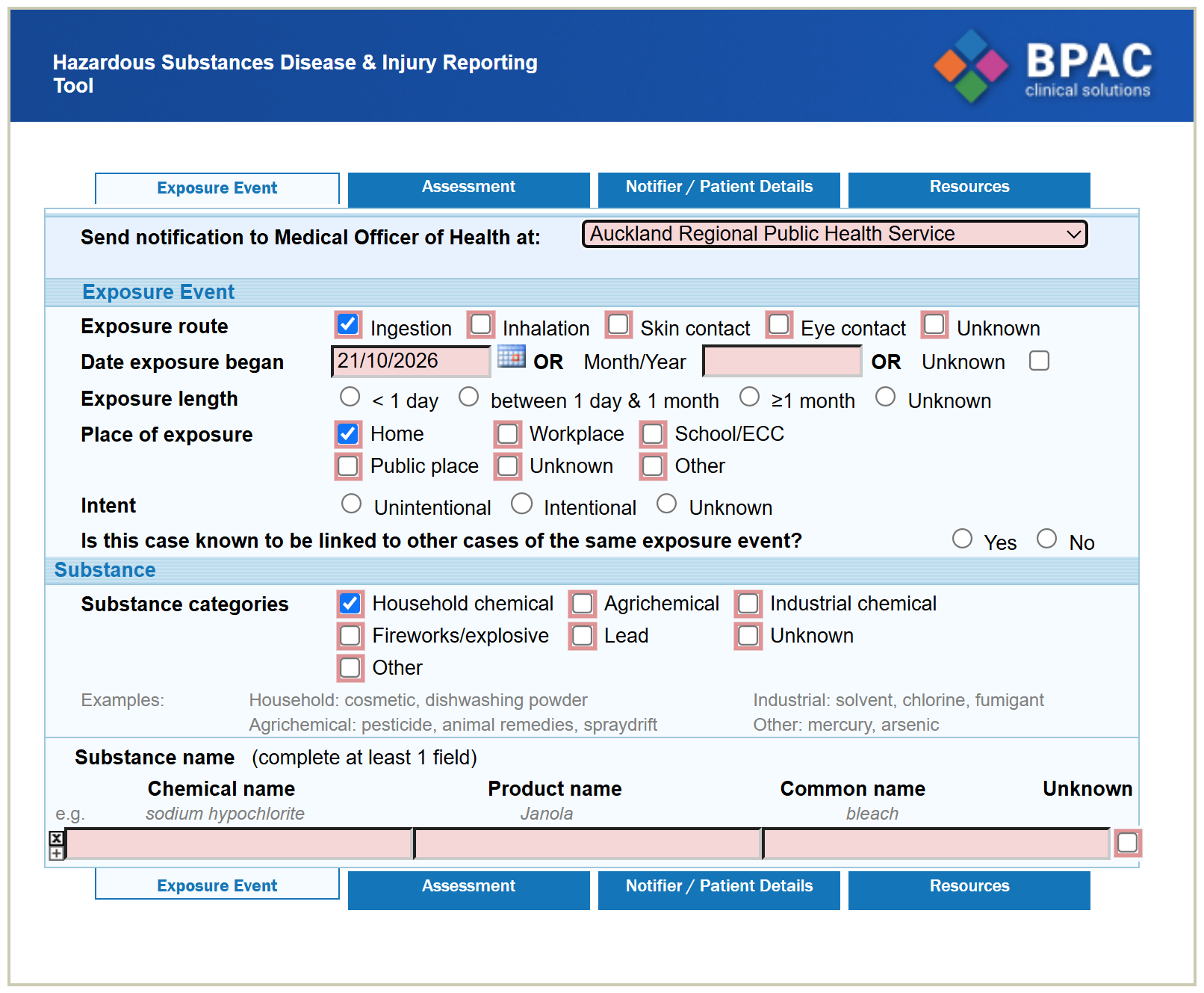
Figure 3. An example of reporting an exposure event in the Hazardous Substances Disease and Injury Reporting Tool.
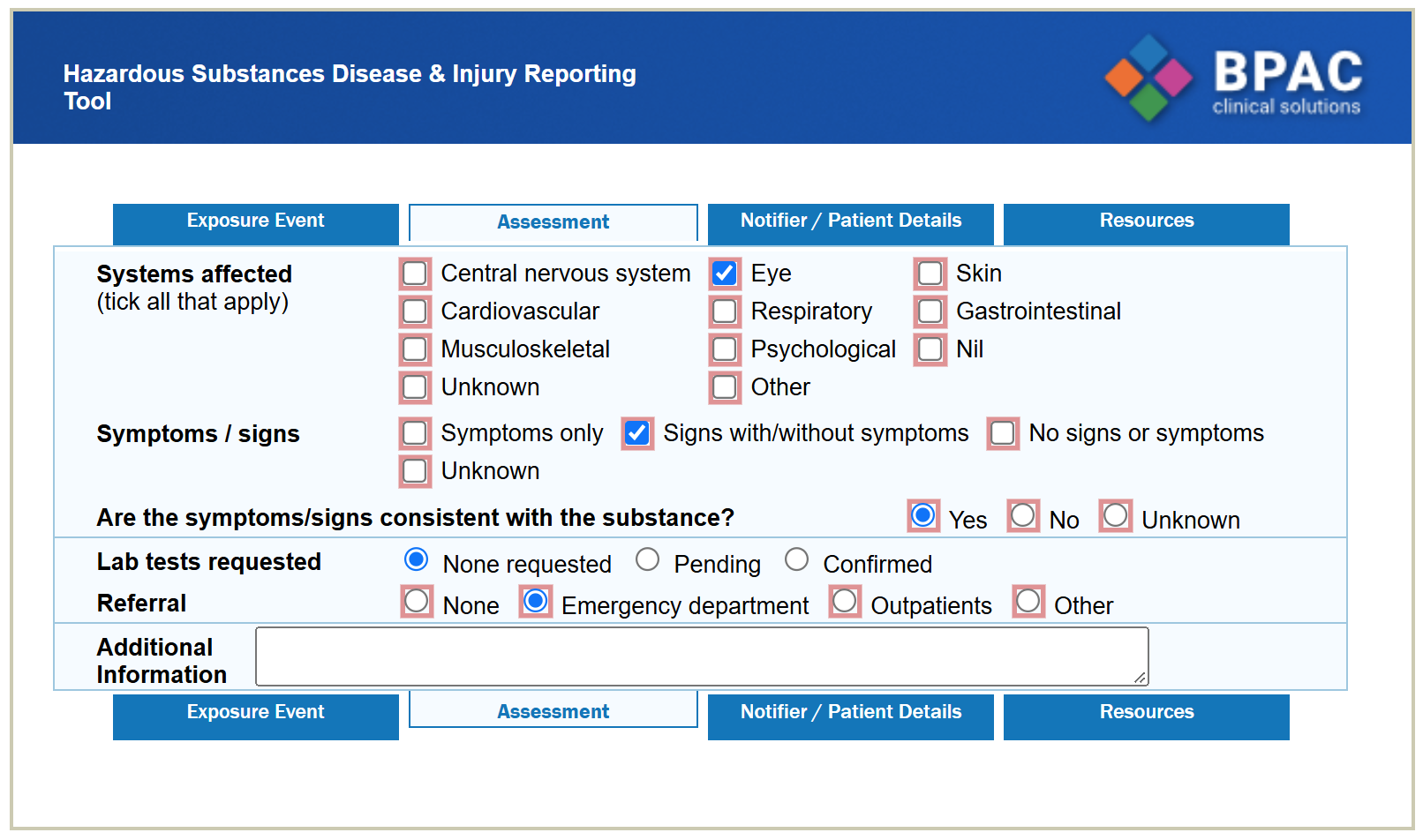
Figure 4. An example of completing an assessment of the exposure event in the Hazardous Substances Disease and Injury Reporting Tool.
If your practice does not have access to HSDIRT and you want to make a notification, phone your Public Health Unit directly. The staff will enter the case information into a HSDIRT notification form on your behalf.29
For a walkthrough video explaining how to access and complete HSDIRT notification forms, see: vimeo.com/359445622